Last updated November 21, 2026
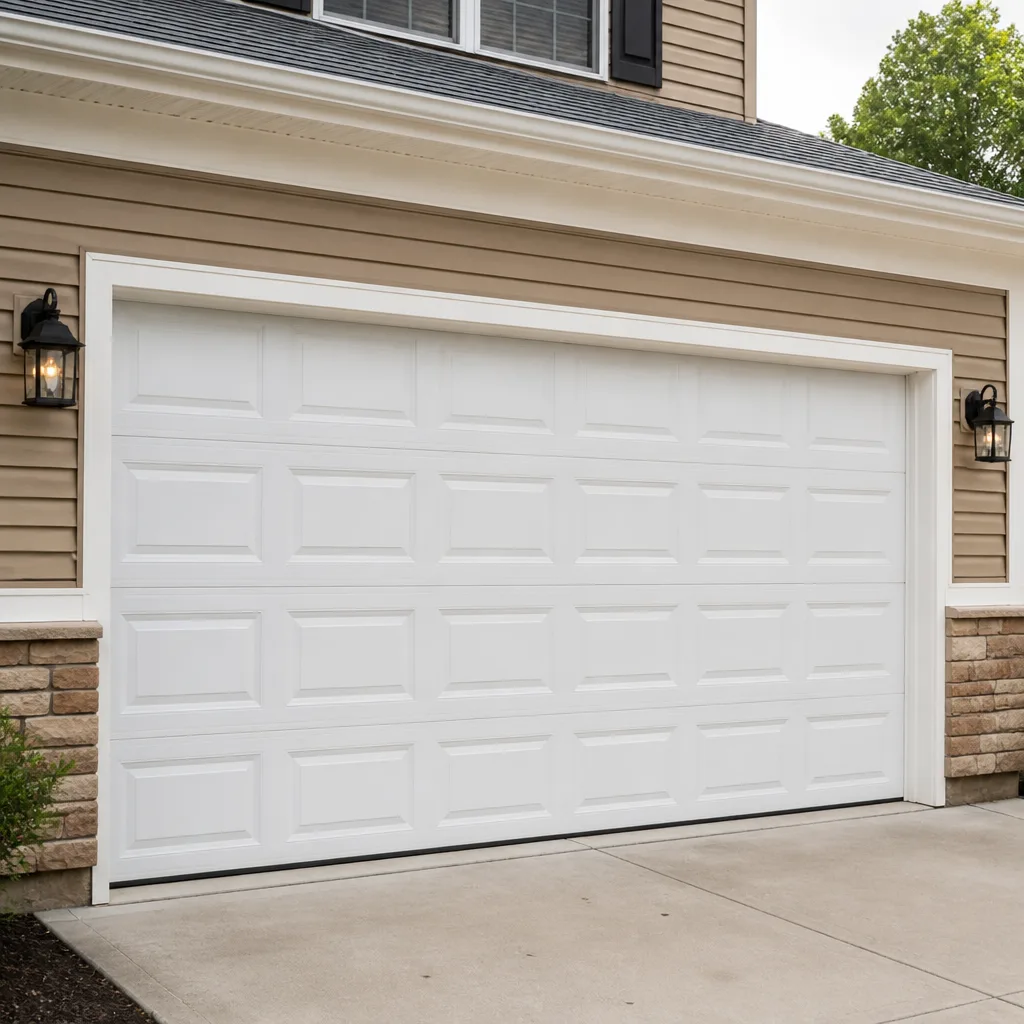 Raised-panel steel
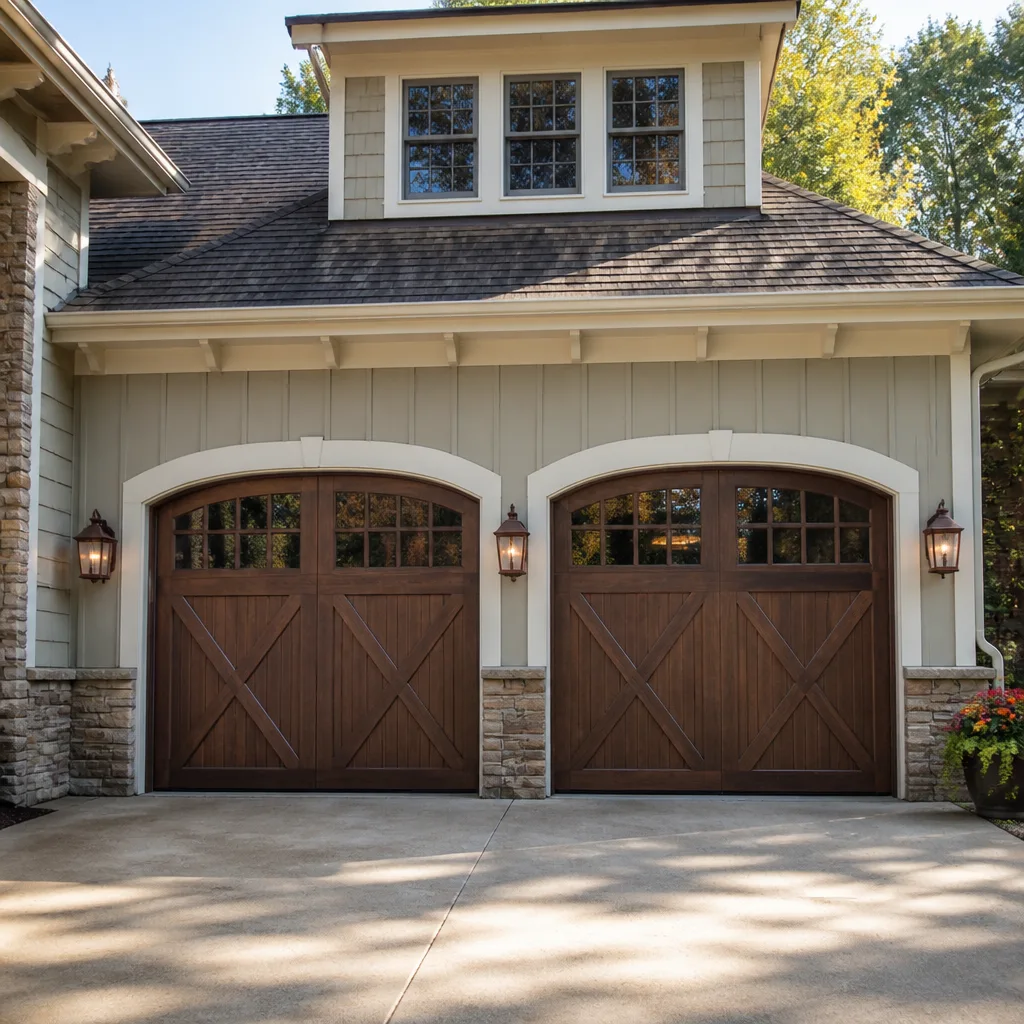 Carriage house
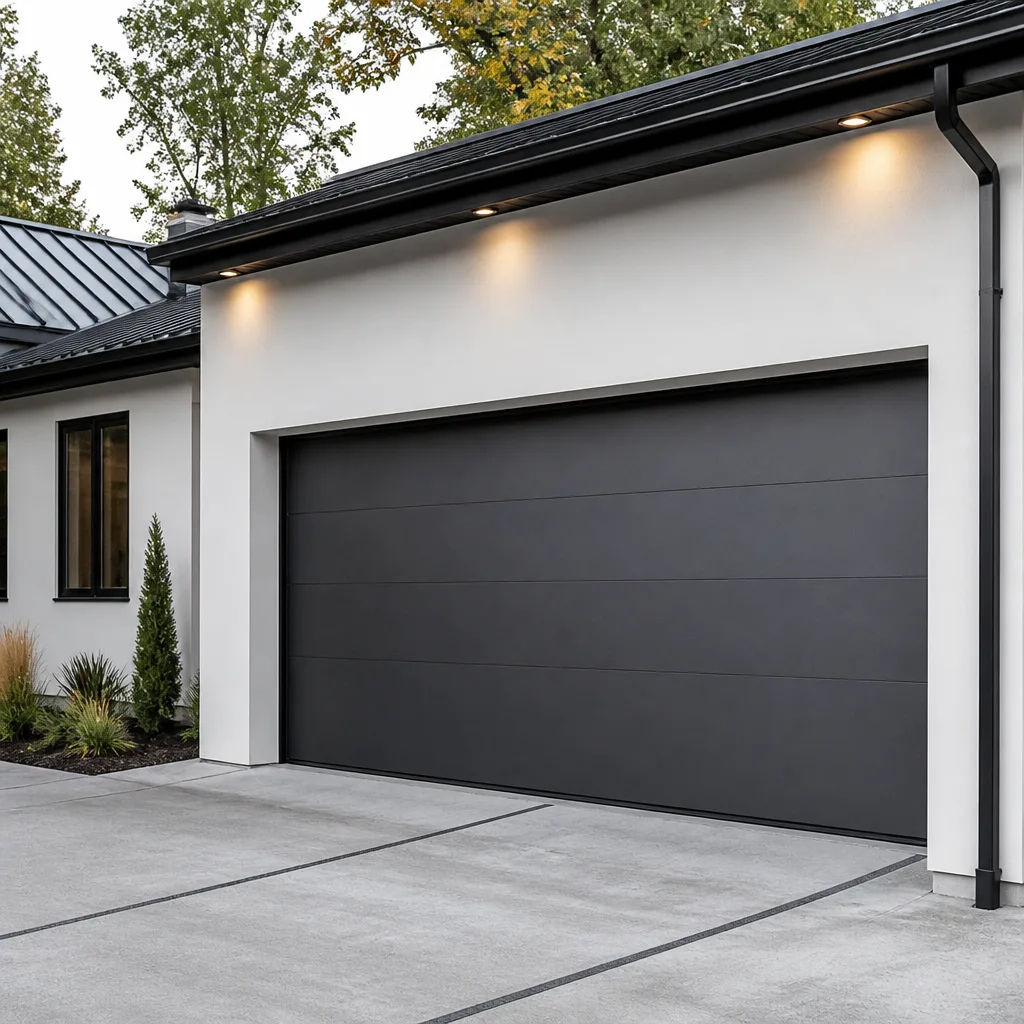 Modern flush
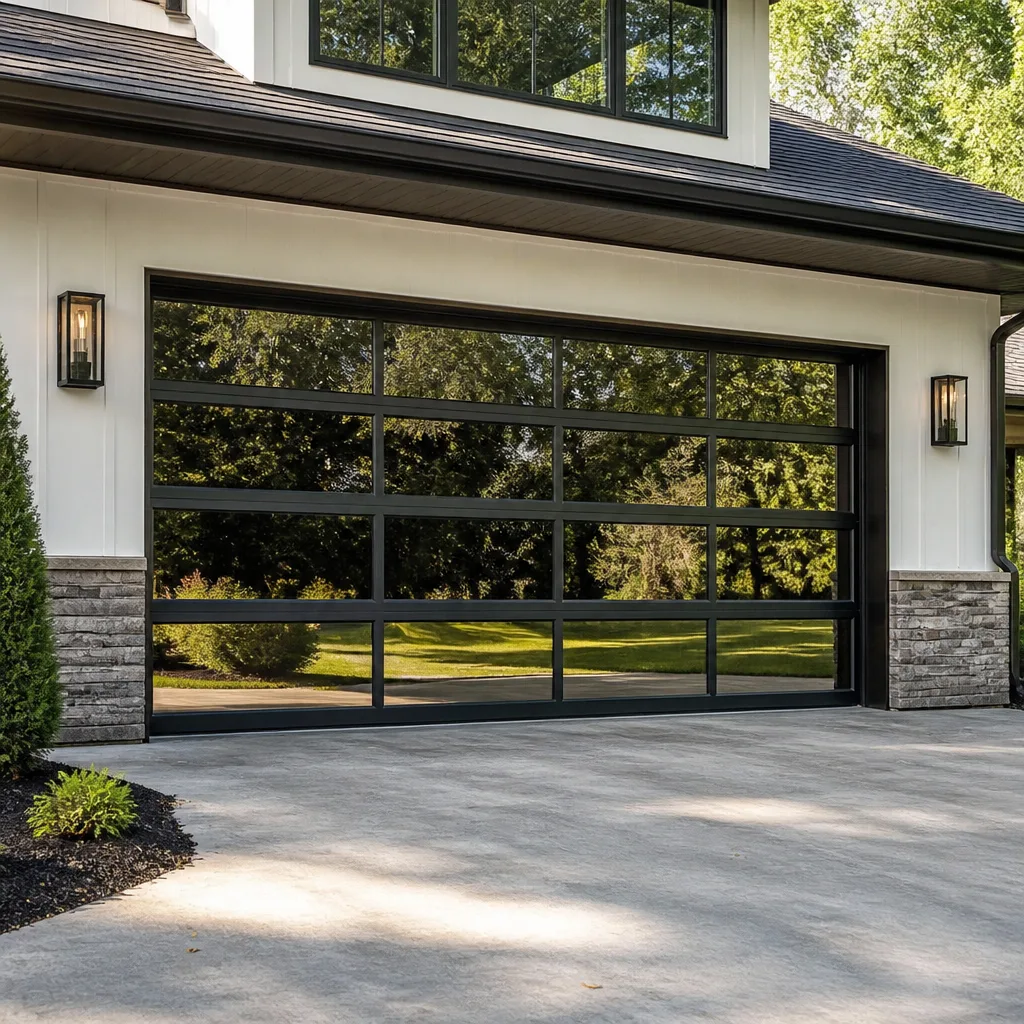 Full-view glass
 LiftMaster openers
 Chamberlain openers
Full 25-point door and opener safety check with every visit - springs, cables, rollers, tracks, and your LiftMaster or Chamberlain opener included
You get a price before we start. It does not change when the pro arrives.
Get your free estimateGarage Door Permits, Codes & Inspections in Cleveland Park, DC: What You Need to Know
Most Cleveland Park homeowners assume that swapping a garage door is a no-permit job, and often they’re right. Until they aren’t. The line between “permitted” and “don’t bother” rarely hinges on the door’s size or the color of the new panels. It turns on structural framing, opener wiring, and whether your property sits inside the neighborhood’s historic district overlay. A rotten header, a new outlet for a smarter opener, or a fire-rated wall between the garage and living space can quietly turn a simple replacement into a project that needs sign-off from the DC government. Miss that, and the problem can follow you to the closing table. In this guide, we’ll walk through the DC code triggers, how the historic overlay interacts with permits, what “like-for-like” actually means, and the paperwork to keep so a Cleveland Park garage door project stays clean from start to finish.
Quick Answer
In Cleveland Park, DC, replacing a garage door in the same opening with the same size and type usually does not require a building permit, but structural framing changes, new electrical work for an opener, alterations to a fire-rated wall, and any work on a property inside the historic district overlay can trigger DCRA review and, in some cases, HPRB review. Like-for-like replacement is the safe no-permit path. Anything that changes the structure or the electrical system should be permitted and inspected.
Styles & brands we work with
- Raised-panel steel
- Carriage house
- Modern flush
- Full-view glass
- LiftMaster openers
- Chamberlain openers
Table of Contents
- Do you need a permit to replace a garage door in Cleveland Park?
- The DC code triggers that turn a swap into a permitted project
- Historic district overlay and HPRB review
- What “like-for-like replacement” means under DC code
- Unpermitted work at resale: how it surfaces and how to fix it
- What an inspection actually looks like
- The Cleveland Park homeowner checklist
- Common mistakes to avoid
- When to call a professional
- Frequently asked questions
Do You Need a Permit to Replace a Garage Door in Cleveland Park?
Here’s the direct answer most Cleveland Park homeowners are looking for: a straight replacement of a garage door in the existing opening, with the same dimensions and no change to the framing or wiring, generally does not require a building permit in the District. That’s the routine case. It covers the majority of door swaps we see in Cleveland Park homes, from a worn-out wooden sectional door on a 1920s colonial to a tired steel door on a mid-century house up near the Metro.
The picture changes the moment the scope moves beyond the door itself. The DC building code treats garage door replacement as a “minor repair” only when it stays inside the existing frame. If the header, jambs, or tracks need rebuilding, or if you’re adding or moving electrical for an opener, you’ve stepped into a different category of work. That’s when the DC government wants to see plans and a licensed professional doing the job.
So the honest answer is: usually no, sometimes yes, and the difference depends on scope, not on how much you spent on the door. In our experience, plenty of Cleveland Park homeowners only discover this after a contractor tells them “we don’t pull permits for doors.” That sentence should prompt a follow-up question about what the scope actually involves.
A quick rule of thumb:
- No permit typically required: same-size door, same opening, no framing edits, no electrical changes.
- Permit likely required: header or jamb repair, new opener installation where there is currently no opener, new outlet for an opener, or work on a fire-rated wall.
- Permit plus historic review possibly required: any of the above on a property inside the Cleveland Park historic district overlay.
When in doubt, ask. A call to the DC Department of Buildings (the agency that absorbed most of DCRA’s functions) will give you a clear answer in a single conversation. If you’re not sure what work your project involves, our team can help scope it during a Garage Door Repair Cleveland Park visit before anything gets ordered.
The DC Code Triggers That Turn a Garage Door Swap Into a Permitted Project
The permit question usually comes down to three triggers, and only one of them has anything to do with the door. The other two are about the structure around it and the electrical system it depends on. Understand these, and you’ll know whether your Cleveland Park project needs DCRA paperwork before the first panel is ordered.
Trigger 1: Structural framing changes
If the header above the door is soft, sagging, or cracked, replacing the door alone is a mistake anyway. Rebuilding that header is structural work. It requires a permit, engineered drawings in most cases, and a licensed contractor. Termite damage, water intrusion behind the trim, and long-term sag are all common findings on older Cleveland Park homes, simply because these garages have been sitting through decades of DC’s humid summers and freeze-thaw winters.
Trigger 2: Electrical work for the opener
Adding a new opener circuit, moving an existing outlet, or upgrading the wiring in a detached garage is electrical work and needs a permit in the District. Even replacing an existing opener on an existing dedicated circuit is usually exempt from permit but should still be done by someone who understands the manufacturer’s requirements. Brand-specific diagnostics matter here: an opener built around Craftsman or Raynor components has specific wiring expectations, and a generic install can void a warranty or trip a breaker every time the door cycles.
Trigger 3: Fire-rated assemblies
If your garage shares a wall or ceiling with the living space above or beside it, that assembly is fire-rated in the District. Cutting into it, adding a doorway, or changing the door’s rating moves the work into permit territory. Attached garages in the denser parts of Cleveland Park are worth checking carefully here; the separation between house and garage isn’t decorative, and an inspector will care.
The practical takeaway is simple. If the work stays inside the door’s opening and wiring, no permit. If it moves into the framing, the electrical panel, or a fire wall, pull a permit, and hire a licensed contractor to do it. If you’re just trying to figure out whether the door itself is repairable, a straightforward garage door repair visit usually answers it before paperwork enters the picture.
Historic District Overlay: What HPRB Review Actually Means in Cleveland Park
Cleveland Park is one of DC’s designated historic districts, and that matters for garage doors more than most homeowners expect. The district’s character is defined by its early-20th-century residential architecture, its tree-lined streets, and the visual continuity of the homes up and down Newark, Macomb, and Ordway. The Historic Preservation Review Board (HPRB) and its staff review changes that affect what’s visible from the public right of way.
Here’s where the overlay gets interesting. The door itself is often not the trigger. A like-for-like swap of a door that’s already visible and appropriate to the house is usually handled at the staff level and doesn’t require a full HPRB hearing. But the structural work behind it might. And that’s the piece that catches Cleveland Park homeowners off guard.
Replacing rotted header framing isn’t just a building permit matter; it’s a change to the structure of a contributing building in a historic district. Depending on scope and visibility, it can require historic review on top of the building permit. The two processes are separate, run on different timelines, and need to be coordinated.
- Staff-level review: typically applies to like-for-like replacements of a visible door, or replacement with a compatible style and material.
- Full HPRB hearing: more likely when the door design, materials, or proportions change significantly, or when structural alterations affect the visible assembly.
- Coordinated timelines: a building permit and a historic review are not the same approval, and one doesn’t automatically satisfy the other.
What that means in practice: if your Cleveland Park garage door project just needs a swap, you probably won’t touch the historic review process. If the framing behind the door has to be rebuilt, or if you’re changing the door’s material, style, or proportions, plan for a longer runway. The right move is to ask the DC Department of Buildings and the Historic Preservation Office upfront what applies to your specific address before ordering anything.
What “Like-for-Like Replacement” Means Under DC Code
Like-for-like is the phrase that keeps a Cleveland Park garage door swap out of the permit pipeline, but it’s also the phrase most likely to be misunderstood. It doesn’t mean “looks similar.” It means the new door matches the existing one in the ways that matter to code: dimensions, method of operation, material class, and the existing opening’s structural condition. Change any of those, and you’ve moved out of the exemption.
The documentation that supports a no-permit claim is mostly about proving what was there before. In our experience, the cleanest projects are the ones where the homeowner keeps a simple file:
- Photos of the old door in place, taken before removal, showing the opening, the trim, and the surrounding wall.
- Measurements of the opening (width, height, and headroom) recorded before the old door comes out.
- The new door’s specification sheet from the manufacturer, showing dimensions, material, and operation type match the old unit.
- The contractor’s written scope stating clearly that no structural, electrical, or fire-rated assembly work is included.
- A dated photo of the finished install in the same opening, so the record is closed.
That file costs nothing to build and does two things. It gives a building inspector a clear story if questions come up, and it gives a future buyer’s agent something concrete to look at during a title search. On older Cleveland Park homes, where records are often thin, that folder is worth more than it sounds.
Like-for-like also has a practical side. A new door that’s compatible with the existing LiftMaster or Chamberlain opener, and that fits the existing opening without modification, is the fastest path to a clean install. A door that requires rerouting tracks or adding a second spring for a heavier model is no longer like-for-like, even if it’s the same size on paper. For a closer look at what actually counts as a straight swap, see our guide to garage door installation.
Unpermitted Work at Resale: How It Surfaces and How to Fix It
Unpermitted garage work has a way of surfacing at the worst possible time: during a title search, a buyer’s inspection, or the final walkthrough the week before closing. In the District, that’s not a rare scenario. Older garages with doors that were replaced decades ago, openers added by a previous owner, or framing repairs done without paperwork are all common in Cleveland Park’s housing stock.
When it surfaces, the practical question becomes remediation. The good news is that most unpermitted garage work isn’t dangerous or dramatic. It’s fixable. Here’s how it typically goes:
- Identify the scope that wasn’t permitted. It might just be a door swap, or it might be a header repair that was never documented.
- Call the DC Department of Buildings. Ask what they need to see to consider the work permitted after the fact. Sometimes it’s a simple inspection; sometimes it’s a new permit application as an “as-built” project.
- Have a licensed contractor evaluate the work. If the door and opener are properly installed and the framing is sound, the process is mostly paperwork. If the work is unsafe, it will need to be corrected first.
- File the appropriate permit and schedule the inspection. An inspector will look at the install, the attachment to the framing, the opener wiring, and any affected fire-rated assembly.
- Keep the closure documentation. Letter of completion, inspection sign-off, and photos in the home file. That’s the record that protects you at the next sale.
What remediation is not: a crisis. Most homeowners we work with in Cleveland Park find this part less painful than they expected, especially when the underlying work is solid. The problem is almost always administrative, not structural. If you’re buying a Cleveland Park home and the seller’s disclosure mentions work on the garage door or opener, ask for the permit history before you sign.
What a Garage Door Inspection Actually Looks Like
If your project does need a permit, the inspection itself is usually quicker than the homeowner expects. It’s a code-compliance check, not a door-quality review. The inspector isn’t judging whether you picked a nice Craftsman-style door or a modern steel panel; they’re checking whether the install follows the code and the manufacturer’s requirements. Here’s what they tend to focus on:
- Attachment and framing. The tracks, brackets, and header are secured properly and there is no rot or movement that would compromise the door’s operation.
- Opener wiring. Electrical connections follow code, the circuit is properly dedicated, and there is no exposed or improper wiring.
- Safety devices. Photo-eye sensors and any required reversing feature are installed and tested.
- Fire-rated assembly. If the garage shares a wall or ceiling with the living space, the separation is intact and any door in that wall meets its rating.
- Headroom and clearance. The door travels without obstruction and the tracks are aligned.
For an inspection to go smoothly, the door needs to be fully installed, functioning, and reachable. That means no blocking shelving, no half-finished wiring, and the opener’s controls mounted and tested. If the opener is having issues on inspection day, it’s worth sorting them out first; a tuned-up garage door opener repair visit before the inspection saves a reschedule. On older Cleveland Park homes, we also see plenty of cases where the original opener was replaced years ago without a permit and the wiring has aged into an ambiguous state. Sorting that out ahead of the inspection is a lot easier than addressing it after.
The Cleveland Park Homeowner Checklist: DCRA, Documentation, and When to Bring in Help
If you’re planning a garage door project in Cleveland Park and want to keep the permit question simple, this is the sequence that works. It’s the same checklist we run through with homeowners before any door is ordered, because getting the paperwork right at the start saves weeks later. The order matters:
- Confirm the scope. Same-size door in the existing opening, or something bigger? Note header condition, existing opener wiring, and whether the garage is attached to the living space.
- Check the historic overlay. Confirm whether your address sits inside the Cleveland Park historic district. If it does, the door’s visibility from the street matters.
- Call the DC Department of Buildings. Describe the scope and ask whether a permit is required. Ask the same question of the Historic Preservation Office if the property is in the overlay.
- Choose a contractor who understands the process. A garage door specialist should be able to explain the permit trigger points and the documentation a like-for-like claim needs. The work itself should be safe: spring work, in particular, is not a homeowner task, so our team handles it as part of any door or opener project.
- Build the documentation file. Photos, measurements, spec sheet, written scope, and finished-install photos in one folder.
- Schedule the inspection if a permit was pulled. Have the door working, the opener tested, and the area clear.
- Keep the closure documentation. That file is what protects you at resale.
Where a permit expediter makes sense: larger jobs with structural scope, historic review, or overlapping permits, particularly where time pressure from a sale or a renovation schedule is real. Where they don’t: a simple like-for-like swap. In that case, the paperwork is a folder, not a filing.
Common Mistakes to Avoid
- Assuming “no permit” without checking scope. A like-for-like swap is usually exempt, but header repair and opener wiring aren’t. Confirm before ordering.
- Treating the Cleveland Park historic overlay as a formality. The overlay exists for a reason, and visible changes to a contributing building can require HPRB review even when the building permit doesn’t require a full hearing.
- Skipping the pre-install photos. Without photos of the old door in place, proving a like-for-like claim later is harder than it needs to be. Take them the day before the install.
- Letting the contractor pull the permit for you without seeing the paperwork. It’s your house, so it’s your file. Ask for the permit number and the inspection schedule in writing.
- Replacing the door without checking the framing. A well-installed door on a rotting header is a problem waiting to happen, in any Cleveland Park garage, and it’s the kind of thing that turns a simple swap into a structural permit.
- Ignoring the opener circuit. New opener, old wiring, no permit: this is one of the most common unpermitted work patterns we see. Have the electrical side checked while the door is being installed.
- Discovering the paperwork at closing. Ask for permit history before you sign, not after. A title search is not the moment to learn your opener was never permitted.
When to Call a Professional
Some of this work is straightforward enough to talk through by phone, and some of it isn’t. If you’re facing a rotten header, a sagging door, an opener that keeps tripping the breaker, or a garage door that’s become a safety concern because it’s jammed or stuck, that’s the moment to bring in someone who does this every day. Spring and cable work in particular belongs in trained hands; those components are under high tension and are genuinely dangerous to handle without the right tools and technique. The same goes for the permit scoping on a Cleveland Park project with structural or historic overlay exposure. Garage Door Repair Cleveland Park offers free estimates in Cleveland Park, and we’re happy to walk you through what your project involves before anything gets ordered. Call (833) 918-7067.
Frequently Asked Questions
Usually no, if the replacement is like-for-like in the existing opening with no structural, electrical, or fire-rated assembly changes. If header framing, opener wiring, or a shared fire wall is involved, a permit is typically required. Call (833) 918-7067 for a free estimate and we’ll help you confirm what your project actually needs.
Anything beyond the door itself: repairing or replacing the header above the opening, rebuilding jambs, re-anchoring tracks into new framing, or addressing rot in the wall the door hangs on. That’s where the permit trigger sits. A like-for-like swap doesn’t touch that structure, which is why it stays in the exempt category.
Visible changes to a contributing building in the overlay can require Historic Preservation Review Board review, and that runs on a separate timeline from the building permit. A like-for-like swap is often handled at the staff level. Structural changes and material or style changes are more likely to require a full hearing. Call (833) 918-7067 for a free estimate and we can help you scope what the review process will look like for your address.
It surfaces during a title search or a buyer’s inspection, and the fix is usually administrative rather than structural: contact the DC Department of Buildings, determine what paperwork is missing, and file the appropriate permit and inspection after the fact. A licensed contractor can confirm the underlying work is sound first. Call (833) 918-7067 for a free estimate if you need the work evaluated.
Adding a new outlet, moving an existing one, or running a new dedicated circuit for an opener is electrical work and typically requires a permit. Replacing an opener on an existing dedicated circuit is usually exempt. If you’re not sure which side you’re on, the DC Department of Buildings can answer in one conversation.
We can’t quote DC permit fees for you, because they depend on the scope and are set by the District. What we can tell you is that the paperwork cost is usually the smallest line item on the project. The door, opener, and installation are the real budget items. Call (833) 918-7067 for a free estimate on the door and install side of the project.
See the difference
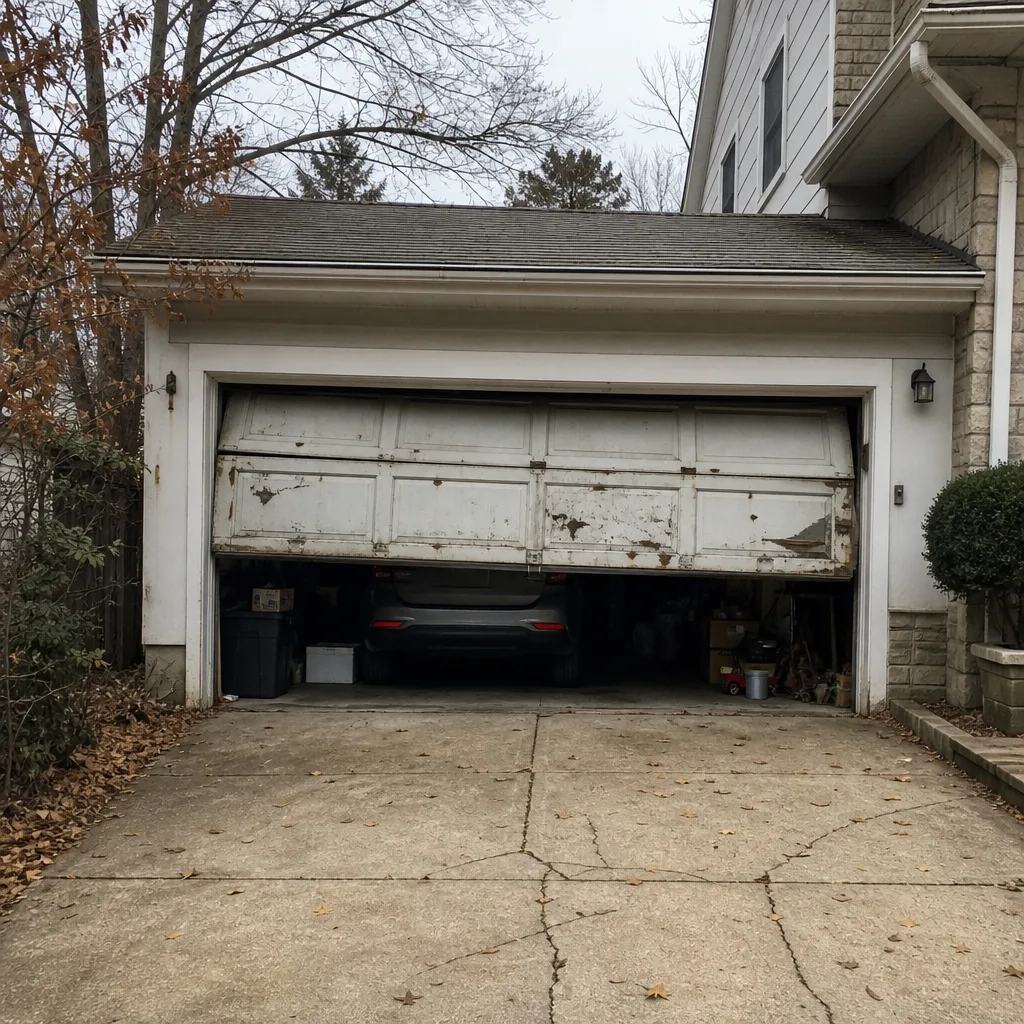 Before
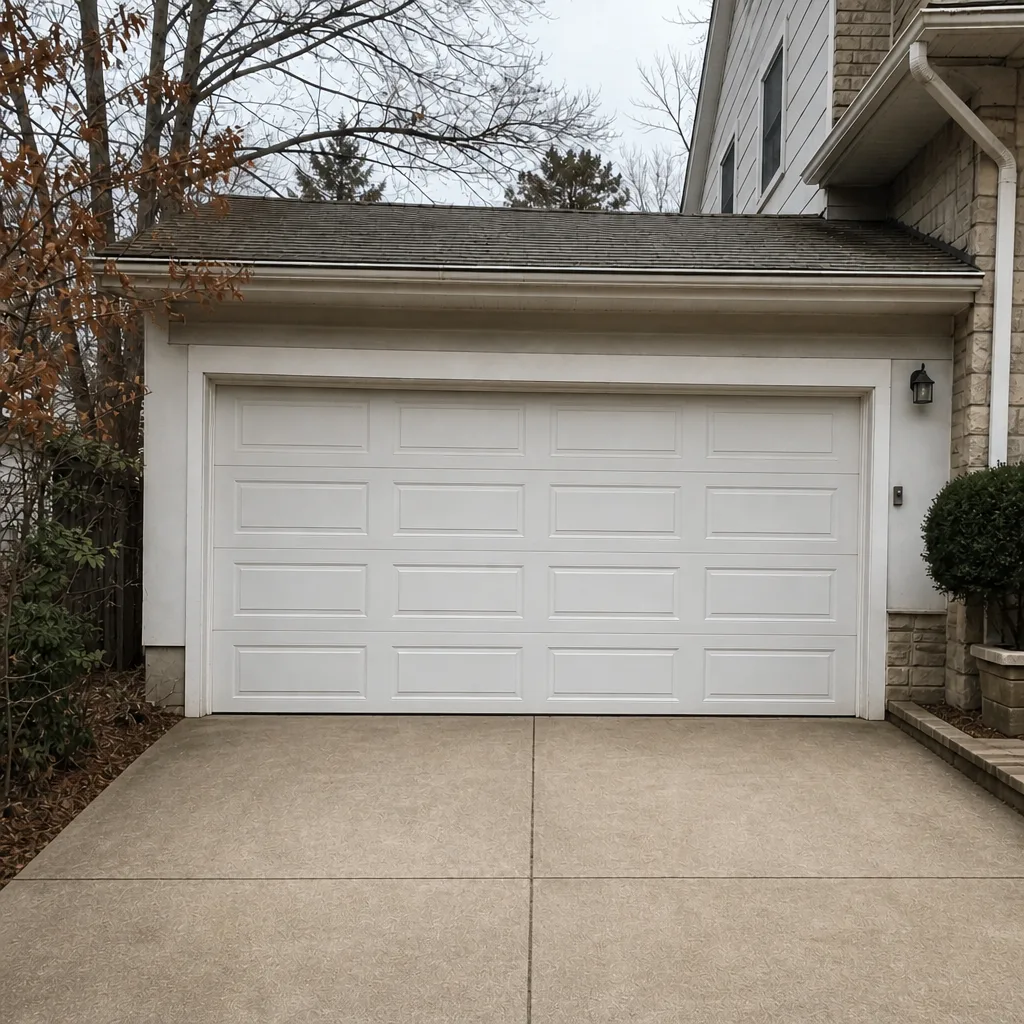 After
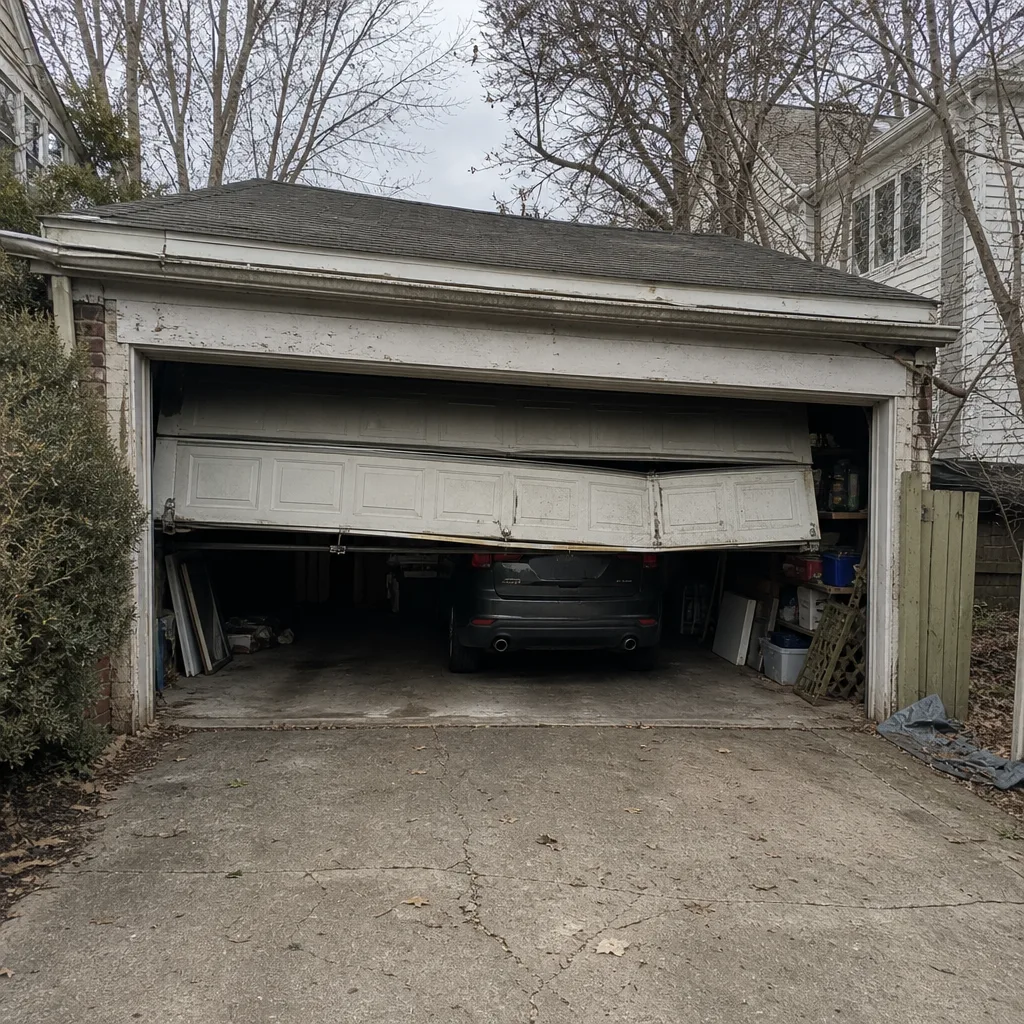 Before
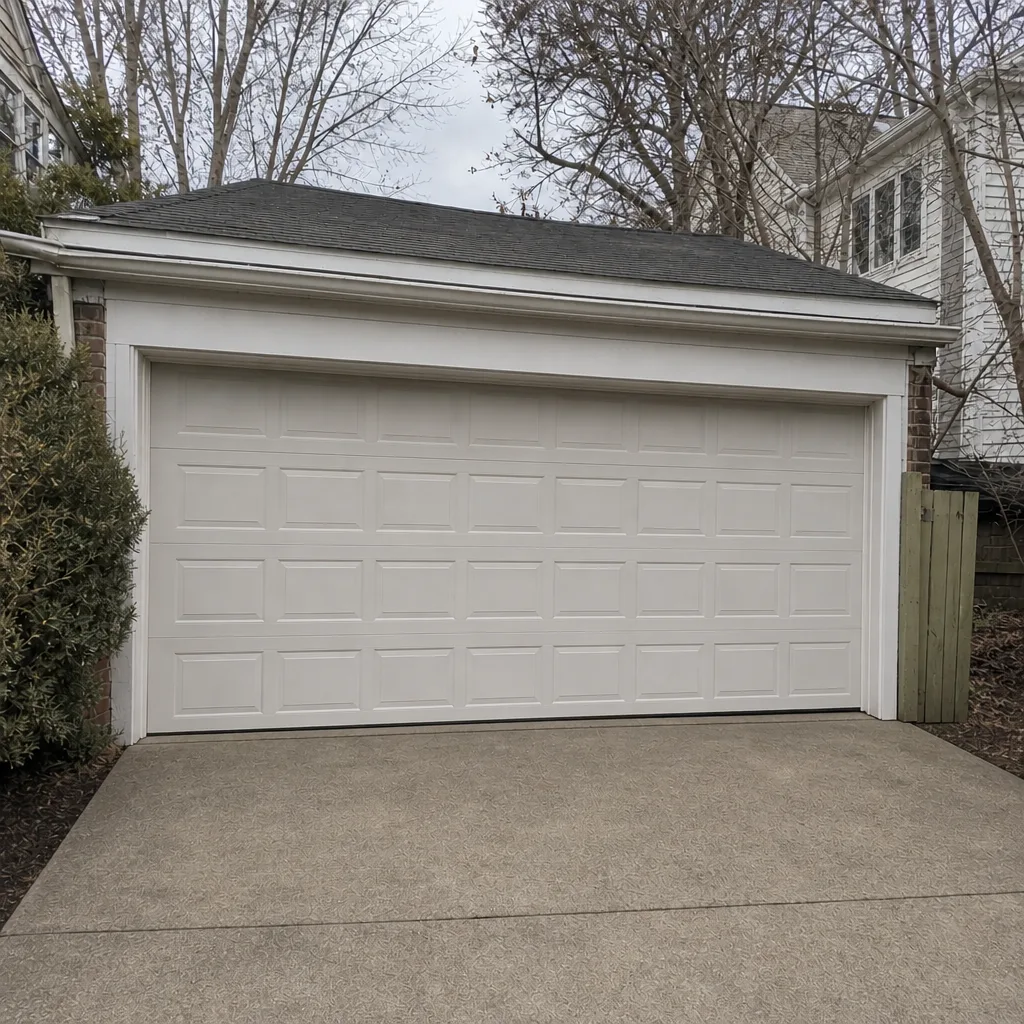 After
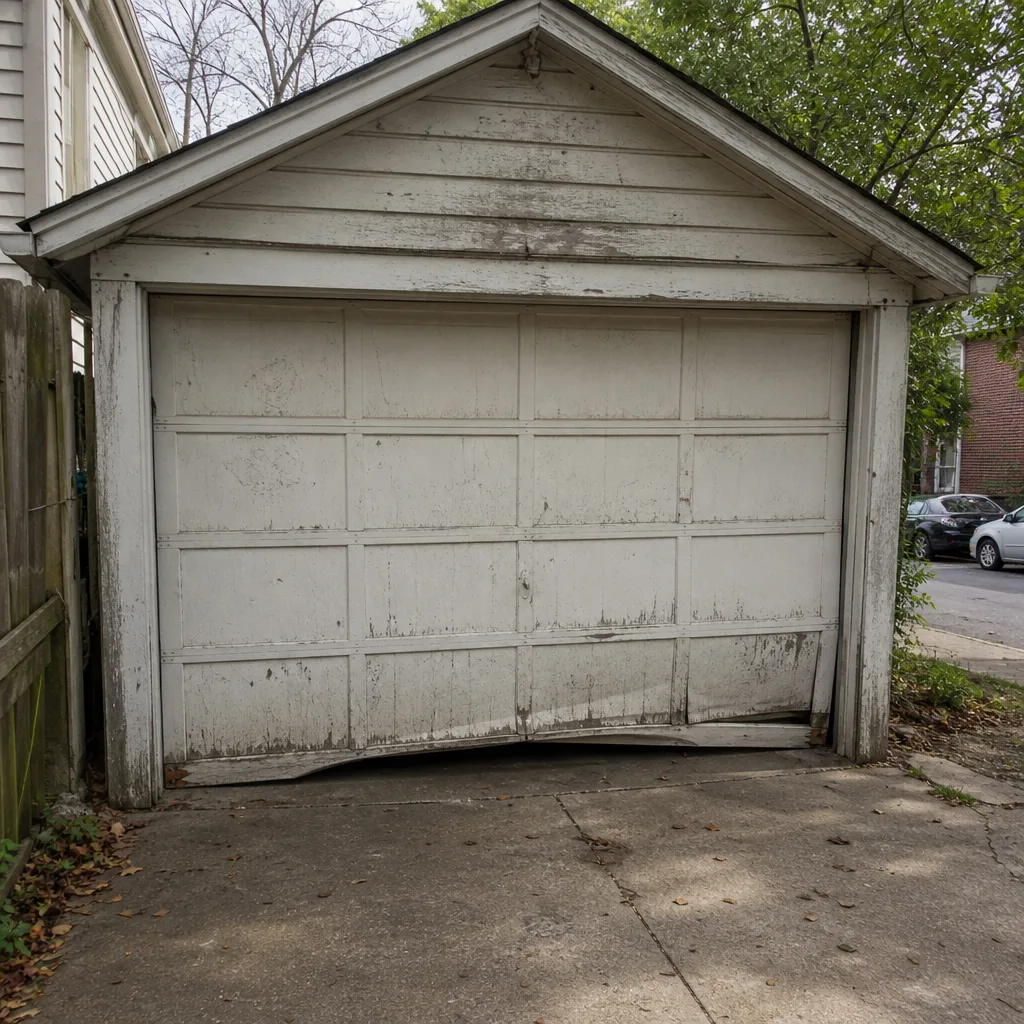 Before
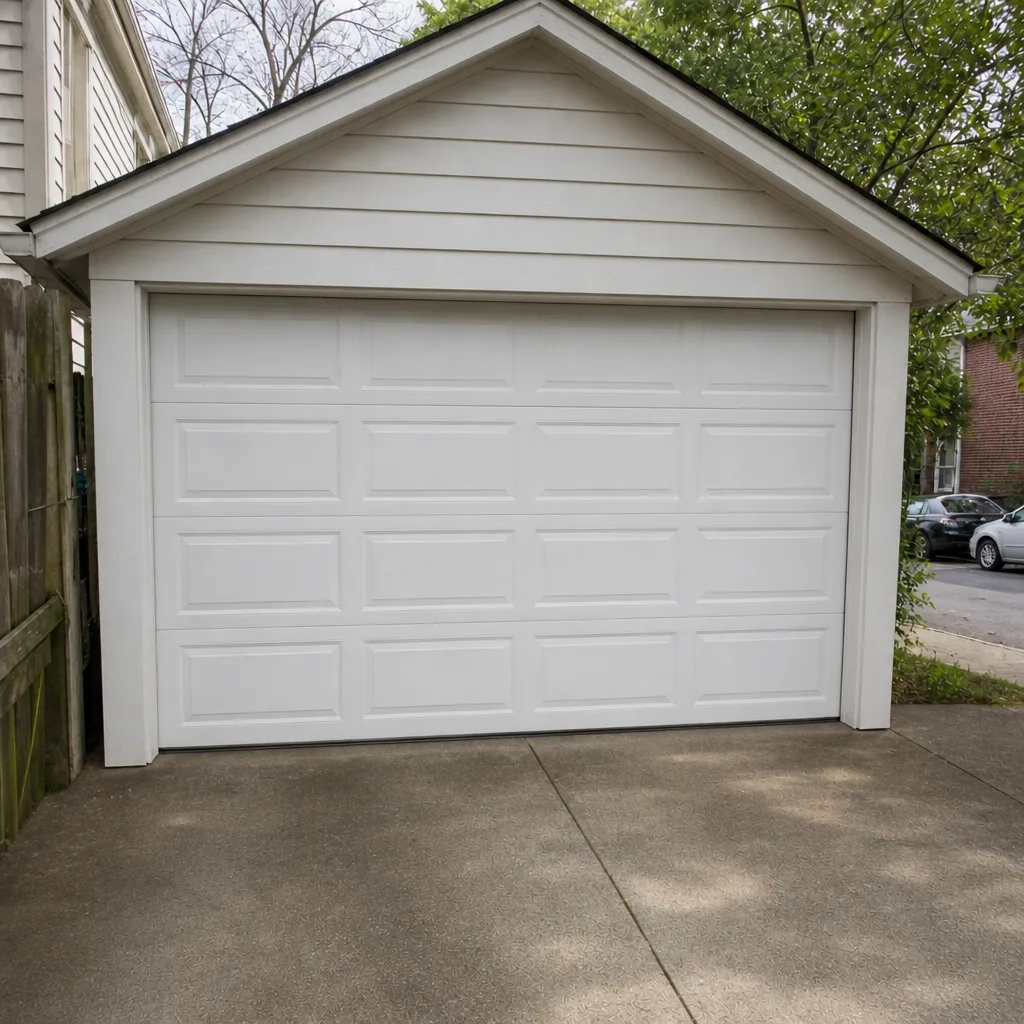 After
The Bottom Line
Most Cleveland Park garage door swaps don’t need a permit. The ones that do are triggered by structural framing, electrical work for an opener, fire-rated assemblies, or historic overlay review on a contributing property. Like-for-like replacement is your safe harbor, and a simple documentation file (photos, measurements, spec sheet, written scope) is what proves it if anyone asks. Unpermitted work surfaces at title search, and the fix is usually administrative rather than structural. Our technicians have up to 11 years of experience, and we handle doors, openers, springs, hardware, and installation as a single service relationship, so you’re not bouncing between contractors. When the door won’t move or the opener’s giving you trouble, we respond quickly.
Contact Us for a Free Estimate
Every garage door project in Cleveland Park starts with a conversation, and that conversation is free. Call (833) 918-7067 for a free estimate. We’ll walk through the scope, help you sort out what needs a permit and what doesn’t, and give you a written price before any work begins. If you’re facing an emergency or a jammed door, call the same number; when the door won’t move, we move fast.
Written by the team at Garage Door Repair Cleveland Park.