Last updated November 21, 2026
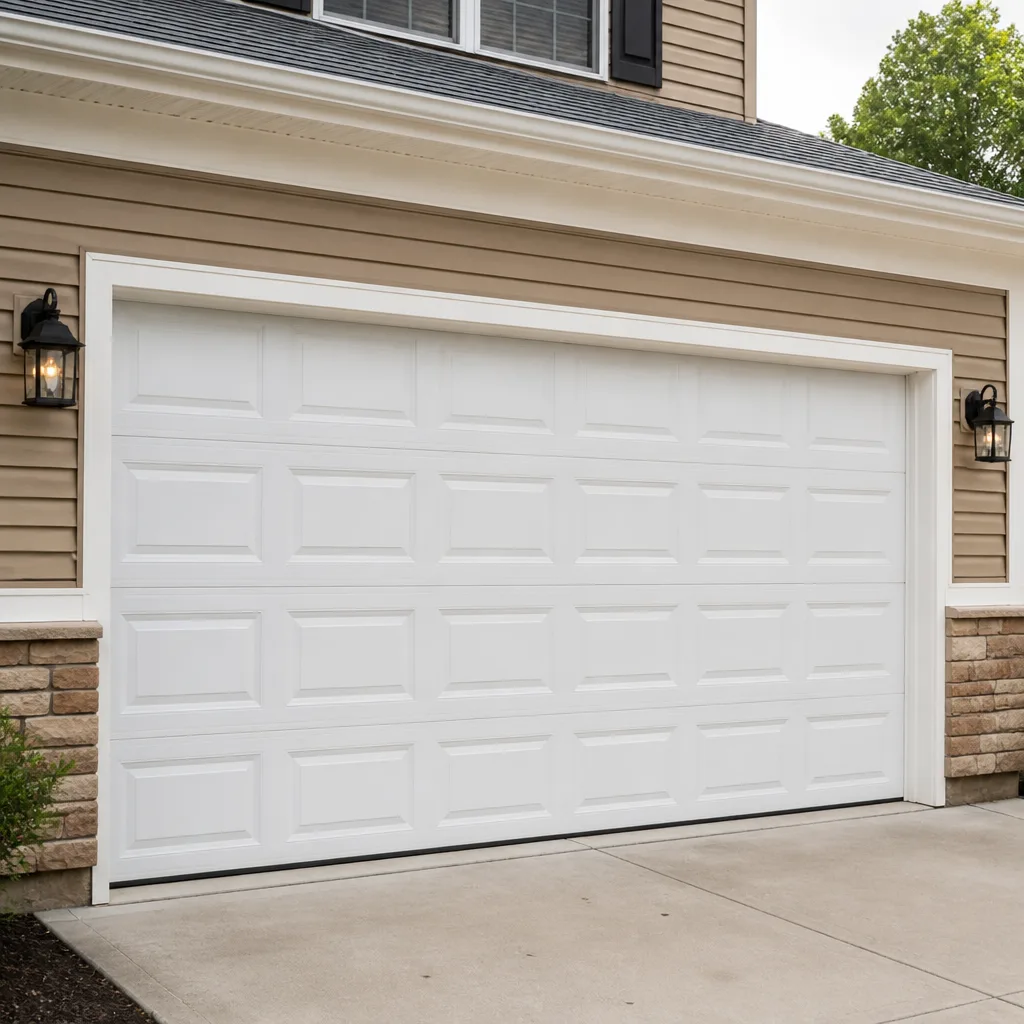 Raised-panel steel
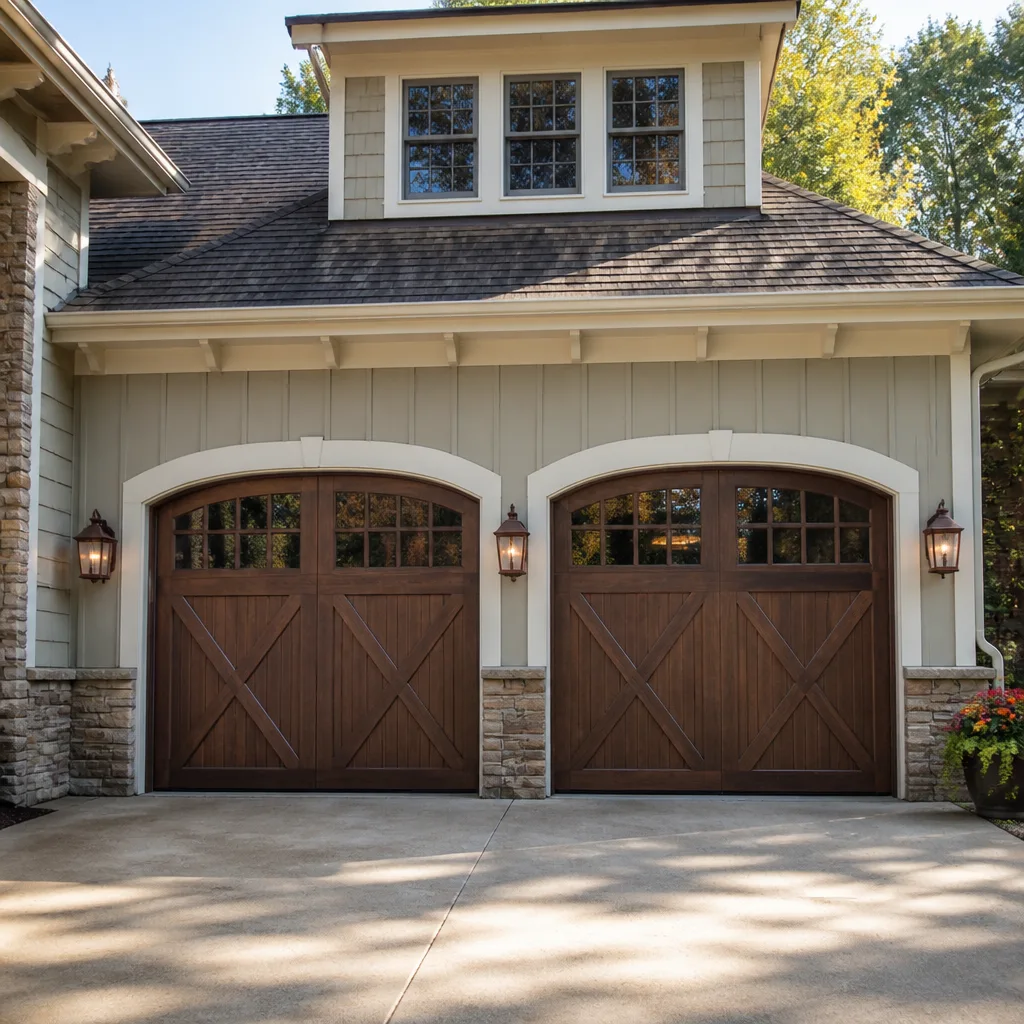 Carriage house
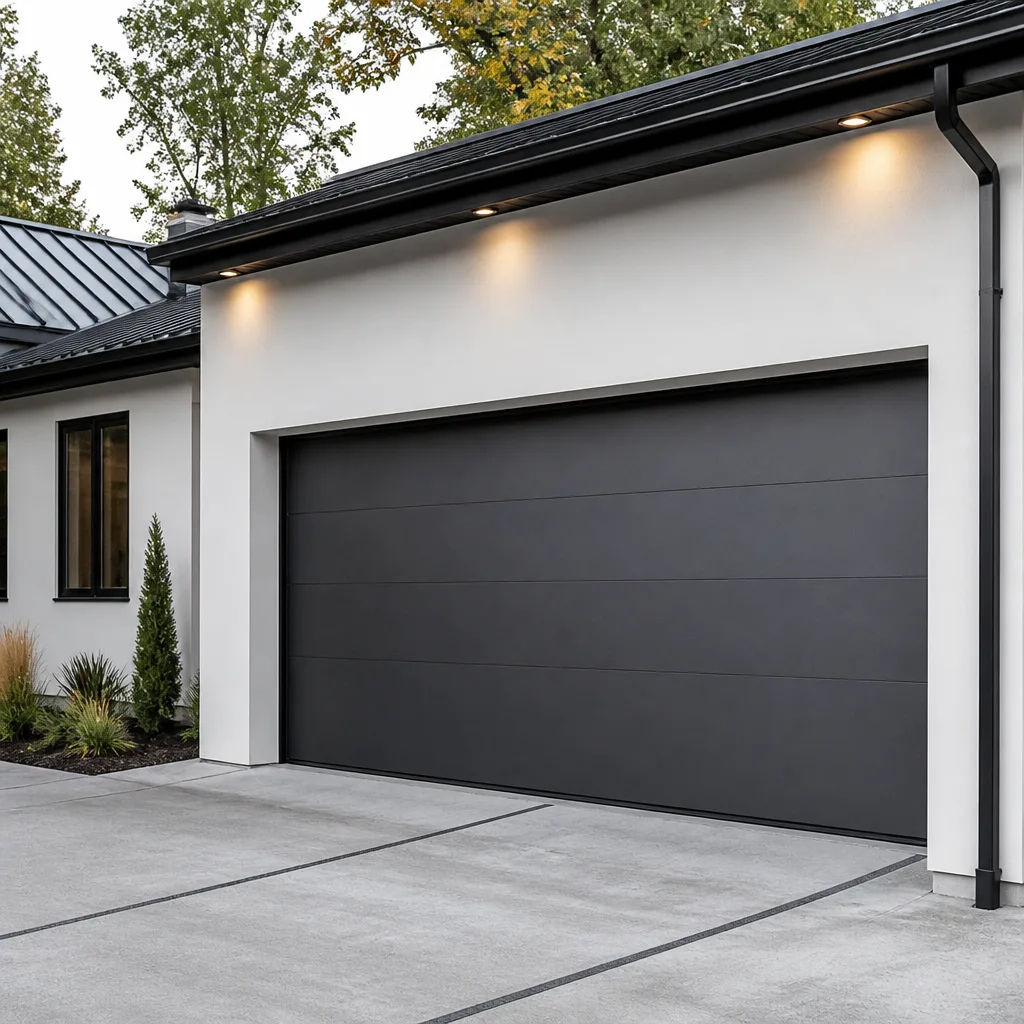 Modern flush
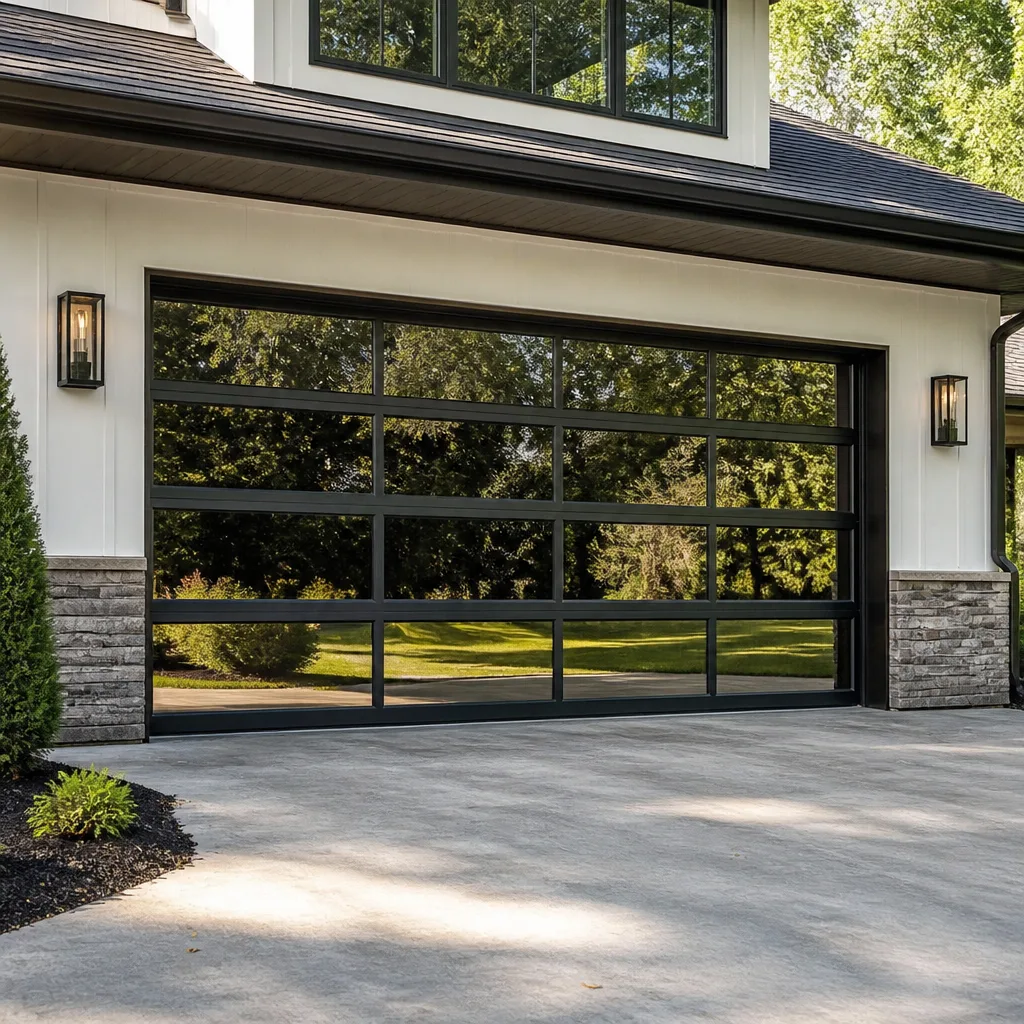 Full-view glass
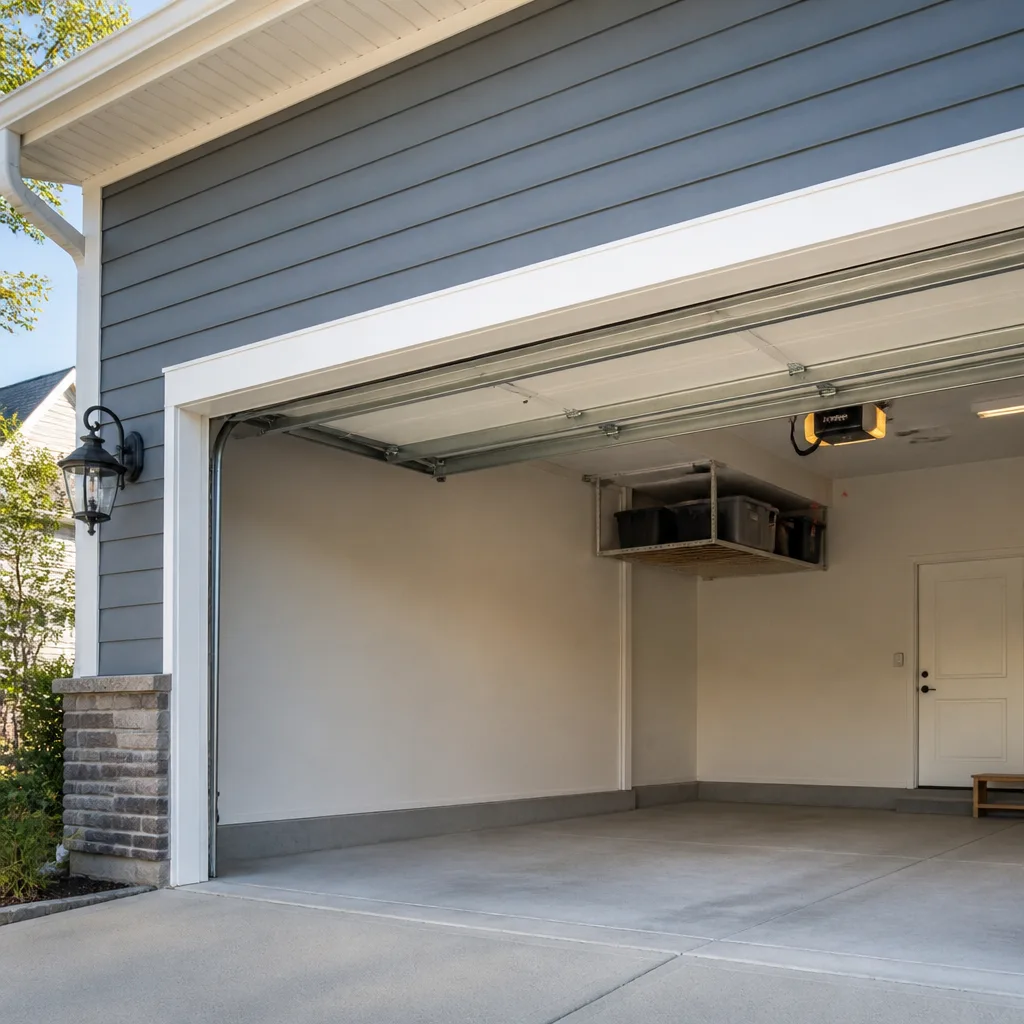 LiftMaster openers
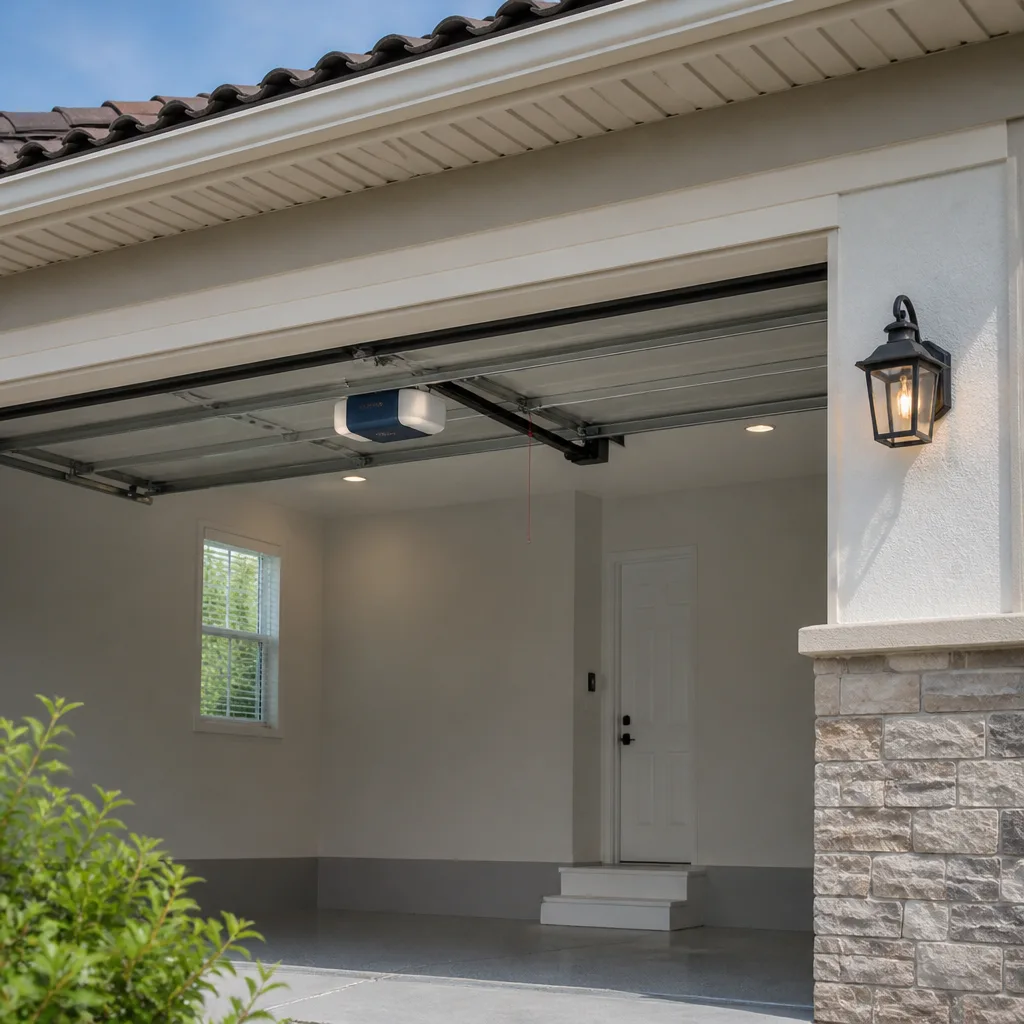 Chamberlain openers
Full 25-point door and opener safety check with every visit - springs, cables, rollers, tracks, and your LiftMaster or Chamberlain opener included
You get a price before we start. It does not change when the pro arrives.
Get your free estimateThe Complete Guide to Garage Doors in Cleveland Park
Most Cleveland Park garages were built before the modern sectional door existed, which means the “standard” sizing and replacement advice you’ll find online is wrong for roughly half the homes on these blocks. A garage built for a single-panel swing door in the 1920s doesn’t have the headroom, the side clearance, or the framing that a 2020s sectional door assumes. Open one of those old doors and you’ll find real constraints: low headers, shallow bays, brick openings that won’t tolerate new holes. This guide treats the neighborhood as a variable, not background noise. You’ll learn how Cleveland Park’s architecture, alley access, and DC’s humid summers and freeze-thaw winters shape what actually fits, what lasts, and what to sequence first.
Quick Answer
Garage door work in Cleveland Park starts with measuring your actual opening and headroom before choosing anything. Older homes here often need a low-clearance or extension-spring setup because a standard torsion assembly won’t fit, and alley-loaded garages call for openers with stronger safety-reversal tuning and a different spring-cycle rating than front-facing suburban doors. Match the door material and insulation to DC’s humid summers and freezing winters, then sequence upgrades (springs, then opener, then panels) so you’re not replacing a whole system at once.
Styles & brands we work with
- Raised-panel steel
- Carriage house
- Modern flush
- Full-view glass
- LiftMaster openers
- Chamberlain openers
Table of Contents
- How Cleveland Park’s Streetscape Rules Shape Your Door Choice
- Why Alley-Loaded Garages Change the Opener and Spring Equation
- The Clearance Math for Older Cleveland Park Garages
- Choosing Insulation and Brands for DC’s Climate
- How to Sequence a Full Door Ecosystem Upgrade
- Why Brand Familiarity Matters on Older Systems
- Springs, Cables, and Where Safety Starts
How Cleveland Park’s Streetscape Rules Shape Your Door Choice
Cleveland Park is a designated historic district, and that status reaches further than most homeowners expect. Even when a permit isn’t formally triggered, the neighborhood’s design review process and community expectations influence what door style, material, and color read as appropriate on a given block. A glossy modern aluminum door on a Tudor revival can look out of place next to the brick and timber around it, and review committees notice. Recognizing how your door fits the streetscape before you buy saves you a costly redo.
In practice, the design pressure pushes toward materials that age well and styles that echo the original architecture:
- Wood and wood-look steel suit the Tudor revivals and Craftsman bungalows common on these blocks, especially in stained and natural tones.
- Stamped steel in a carriage-house pattern gives the panel-and-brace look that fits postwar colonials without the maintenance of real wood.
- Insulated steel with a factory finish is the practical middle ground: it holds up to DC weather and still reads as traditional when the color and panel profile are chosen carefully.
- Glass and glazing should stay modest. Full-glass contemporary doors fight the historic character of most homes here.
One thing worth understanding: the streetscape conversation is about appearance and materials, not structural code. If your project touches the opening’s structure, most cities require a permit for that, so ask DC’s building department what applies to your address before work starts. Appearance guidelines and permit requirements are two separate questions, and a good contractor helps you answer both before anything is ordered. If you’re planning a replacement, our garage door installation team measures the opening and walks through material options that fit the block, not just the catalog.
Why Alley-Loaded Garages Change the Opener and Spring Equation
A large share of Cleveland Park homes have garages that open onto rear alleys rather than the street, and that layout changes the hardware math. Alley approaches are often shorter, tighter, and less level than a suburban driveway. The door has to clear whatever sits behind it, and the opener has to work reliably when the approach is short and the parking spot is tight. None of the national sizing advice accounts for this, because most of it assumes a long, straight, front-facing driveway.
Here’s what alley access usually means for the equipment:
- Shorter travel, more cycles. A tight alley means more pulling in and out and more partial open-close cycles during daily maneuvering. Springs rated for a higher cycle count wear better under that pattern.
- Tighter safety-reversal tuning. An opener’s safety reversal has to stop and reverse the door when it meets an obstruction. In a cramped alley bay, that tuning matters more, and it needs checking by someone who knows the brand’s settings.
- Battery-backup openers. When the alley gate or approach is the only way in, a power blip that strands the door closed is a real headache. A battery-backup opener keeps the door working through an outage.
- Quieter operation. Alley garages often sit close to a neighbor’s wall or a bedroom window. Belt-drive openers run quieter than chain-drive and reduce the noise that carries.
We work with LiftMaster, Chamberlain, Genie, Craftsman, and Raynor openers, so when the diagnosis is electrical rather than mechanical, we’re working with the manufacturer’s own components and settings. If your door is sticking, reversing for no reason, or the remote is flaky, that’s the point to look at garage door opener repair rather than guessing at the door itself.
The Clearance Math for Older Cleveland Park Garages
Old garages here were often built for cars that were smaller and doors that swung or rolled rather than slid up and over. That history shows up as low headers and shallow bays, and it directly limits which door and spring types will fit. A standard torsion spring assembly needs headroom above the door for the torsion tube, the drums, and the springs themselves. In a garage with a low header, there simply isn’t the vertical space for that assembly, and forcing a standard setup in creates a door that binds, a spring that can’t be adjusted properly, and a repair bill down the line.
Before any door is ordered, the measurements that matter are:
- Headroom: the distance from the top of the door opening to the ceiling. Low headroom pushes you toward low-clearance hardware or a different spring type.
- Backroom: the distance from the door opening back into the garage. A sectional door needs room to travel and sit overhead on its tracks.
- Side clearance: the space beside the opening. Too little room and the track and springs can’t sit where they need to.
- Header height: the lowest point at the top of the opening. This is the number that trips up most online sizing guides.
When headroom is the constraint, the workaround is usually extension springs mounted along the horizontal tracks or a low-clearance torsion configuration, both of which need a technician who’s measured the actual bay. That’s why we start with measurements, not a quote over the phone. If you’re dealing with a door that’s dragging, binding, or won’t close fully, that’s often a clearance or spring problem, and it’s worth a look before it becomes a bigger repair. Our garage door repair team handles these older-bay diagnoses regularly.
Choosing Insulation and Brands for DC’s Climate
DC’s summers are humid and its winters swing between freezing nights and mild days, and that freeze-thaw pattern does more damage to a garage door than a single extreme season would. Moisture gets into seams, panel joints, and the gap around the opening, then expands and contracts as temperatures cycle. A door that isn’t insulated and sealed tolerates this poorly, and it also lets the summer humidity and winter cold straight into the garage, which affects whatever’s stored there and any room above it.
Insulation is where climate-specific choices pay off. The relevant factors:
- Insulated panels with a continuous core. A polyurethane or polystyrene core inside the panel resists the humidity and keeps the door from feeling flimsy in heat. For an attached garage that shares a wall with living space, insulation is the difference between a comfortable room above and a cold one.
- R-value matters for attached garages. If the garage shares walls or a floor with the house, a higher R-value door reduces the heat loss and gain that bleed into the rooms next to it. Detached garages have less to gain from a high R-value.
- Sealed thresholds and weatherstripping. A good door with poor sealing still lets in moisture and cold. The bottom seal and the perimeter weatherstripping are part of the climate solution, not an afterthought.
On brands, we’re familiar with the systems homeowners here already have, and that directs the recommendation. Clopay and Amarr both make insulated steel doors with profiles that suit historic-block homes, and Wayne Dalton and Craftsman systems show up in the older garages on these blocks often enough that we’ve learned their quirks. Choosing a brand isn’t about picking a logo; it’s about matching a door and opener that fit the opening and can be serviced with the manufacturer’s own parts. A specialist who knows the brand works cleanly; a generalist working with generic substitutes creates compatibility problems.
How to Sequence a Full Door Ecosystem Upgrade
A full door system is a set of parts that wear at different rates: the door panels and frame, the torsion or extension springs, the tracks and rollers, and the opener. Replacing all of it at once is rarely necessary and rarely the right first move. The better approach is to find the part that’s actually the weak link, fix or replace that, then upgrade the rest in an order that keeps the system safe and functional. Sequencing also spreads the cost, which matters when you’re working with a budget.
Here’s the order we recommend, and why it works:
- Springs first. Springs bear the door’s weight and do the most work. If they’re aging, mismatched to the door, or the wrong type for your clearance, everything above them strains. Get the spring system right before anything else.
- Tracks and rollers next. Worn tracks cause the door to bind; worn rollers cause noise and jump. Replacing these is inexpensive relative to the door and makes the whole system run smoother.
- Opener after that. Once the door is balanced and moving freely, an opener can be sized and tuned to it. A new opener on a poorly balanced door works against the door and wears out faster.
- Panels or a full door last. If the panels are the problem (dents, rot, failed finish, or the desire to change the look), replace them after the mechanical system is sound, or do the door and mechanical work together as a full replacement.
The point of sequencing is that you never pay for a door and an opener when the real problem was a worn spring you’d have fixed anyway. It also lets you plan a full Garage Door Repair Cleveland Park assessment around the whole system rather than solving one symptom at a time. Start with a free estimate that looks at all four parts, then decide what to replace now and what can wait.
Why Brand Familiarity Matters on Older Systems
When a garage door stops working, the question isn’t always “what’s broken” but “what brand is this, and does the fix fit how it was built.” Cleveland Park’s older garages hold a wide range of systems, and the components aren’t interchangeable. A technician who works with the manufacturer’s parts and settings can diagnose and repair a LiftMaster or Genie opener the same way the factory would; a generalist working with generic substitutes may get it moving but leave it out of tune. Brand familiarity is what turns a repair into a lasting fix.
We service eight major brands as a matter of routine. That matters most for the parts that fail quietly:
- Opener logic and safety features. LiftMaster and Chamberlain openers have specific safety-reversal settings and diagnostic codes; knowing them speeds up repair and keeps the door safe.
- Spring and hardware matching. Clopay and Amarr door systems are designed around specific hardware; matching the spring to the door’s weight is a safety item, not a preference.
- Older and discontinued systems. Craftsman and Wayne Dalton systems are common in older homes, and knowing which parts are still available saves you from being told a functional door needs replacing.
If you’re not sure what brand you have, that’s fine. We identify it from the model plate or the hardware, and that tells us how to proceed. The goal is to work with what you already have wherever it’s safe and sensible to do so.
Springs, Cables, and Where Safety Starts
The spring system is the most dangerous part of any garage door, and it deserves more caution than the other repairs combined. Torsion springs and the cables running along the tracks hold the door’s full weight under tension. A spring that lets go or a cable that snaps under load can cause serious injury, and the tools needed to wind a torsion spring safely aren’t anything you’d find in a general home toolkit. This is the repair where a trained professional is the only safe option, and a specialist treats it that way.
What you can safely do is watch for the warning signs and call before a failure:
- Watch for a door that feels much heavier than usual. If you can barely lift it by hand, the spring has lost its tension.
- Listen for a loud bang from the garage. A failing spring often announces itself. Don’t try to open the door after that; call for service.
- Look for a visibly sagging door or one that won’t sit level. That’s usually a spring or cable issue, not an opener issue.
- Check for frayed cables or loose hardware. Cables under tension are not something to handle yourself; note the condition and call a technician.
Emergency service is part of what we do, because a door stuck open or jammed shut leaves your home exposed and blocks your exit. When the door won’t move, we move fast. If your door is stuck or a spring has gone, call rather than attempt a fix; the danger is real and the right repair is fast and safe for a trained technician.
Common Mistakes to Avoid
- Ordering a door before measuring headroom and backroom. The most common and most expensive mistake in Cleveland Park. A standard sectional door ordered for an old low-header bay may not fit, and returns on a manufactured door aren’t quick or cheap.
- Ignoring the streetscape conversation. Even without a formal permit, a door that clashes with the historic architecture can draw review-committee attention and look wrong on the block. Choose a material and panel style that fit the home’s era.
- Replacing the opener when the spring is the real problem. If the door is heavy, binding, or uneven, the opener is often a symptom. Put a new opener on a misbalanced door and you’ll be replacing it again sooner.
- Sizing a spring to the wrong door weight. Spring matching is a safety item. A mismatched spring wears out fast and puts strain on the whole system.
- Choosing a bright-glass contemporary door for a Tudor or bungalow. The look fights the block. A traditional insulated steel or wood-look door reads better and lasts in the DC climate.
- Attempting a do-it-yourself spring or cable repair. The tension in these parts is genuinely dangerous. Save the time, money, and risk by having a trained technician do it.
- Treating alley access like a suburban driveway. Shorter, tighter approaches need a spring and opener configured for the extra cycles and the tight maneuvering, not a one-size package.
See the difference
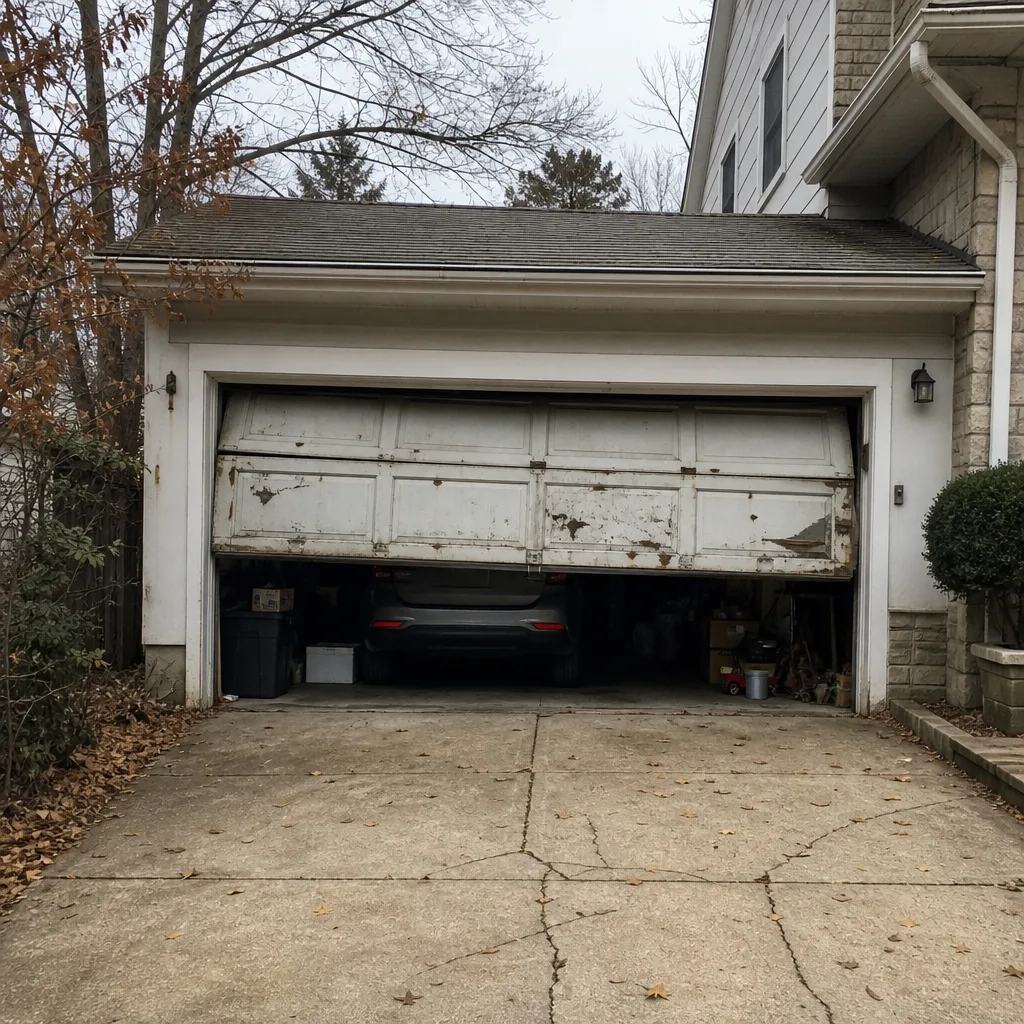 Before
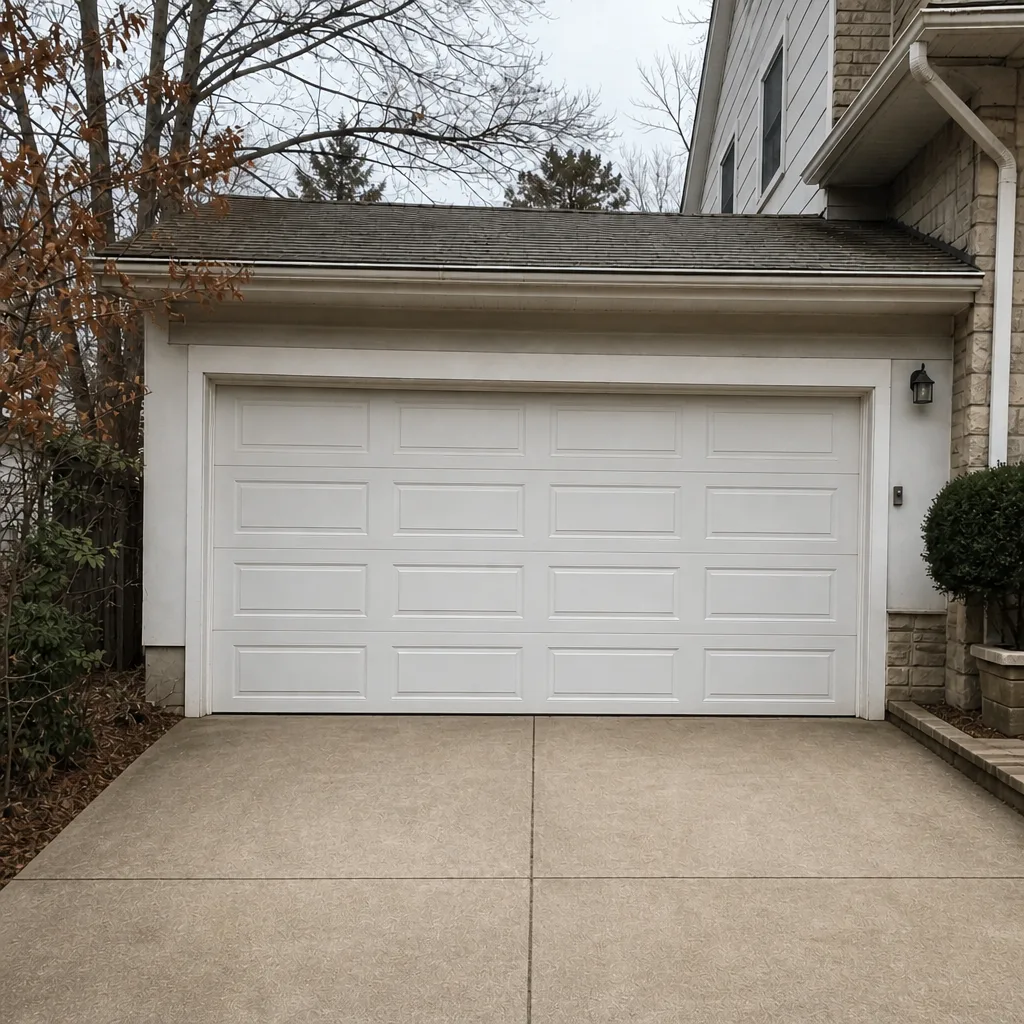 After
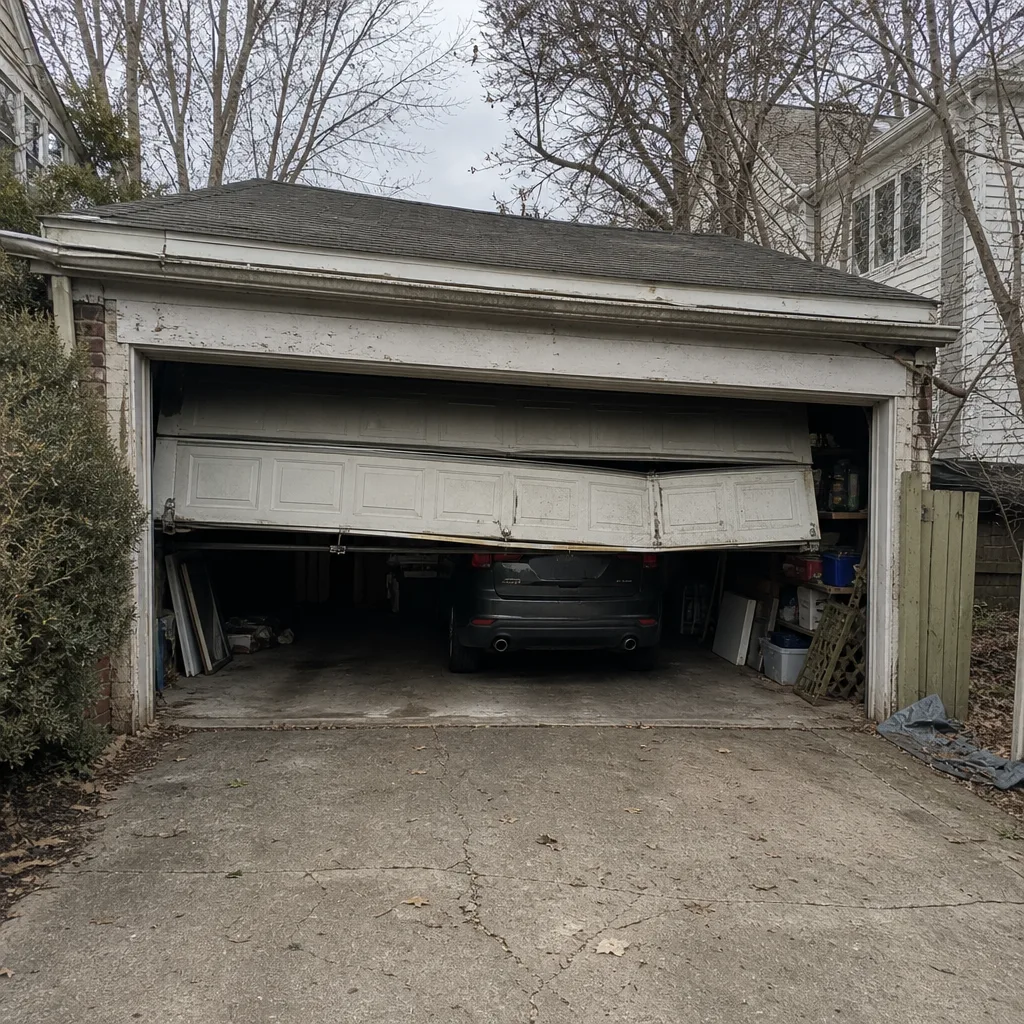 Before
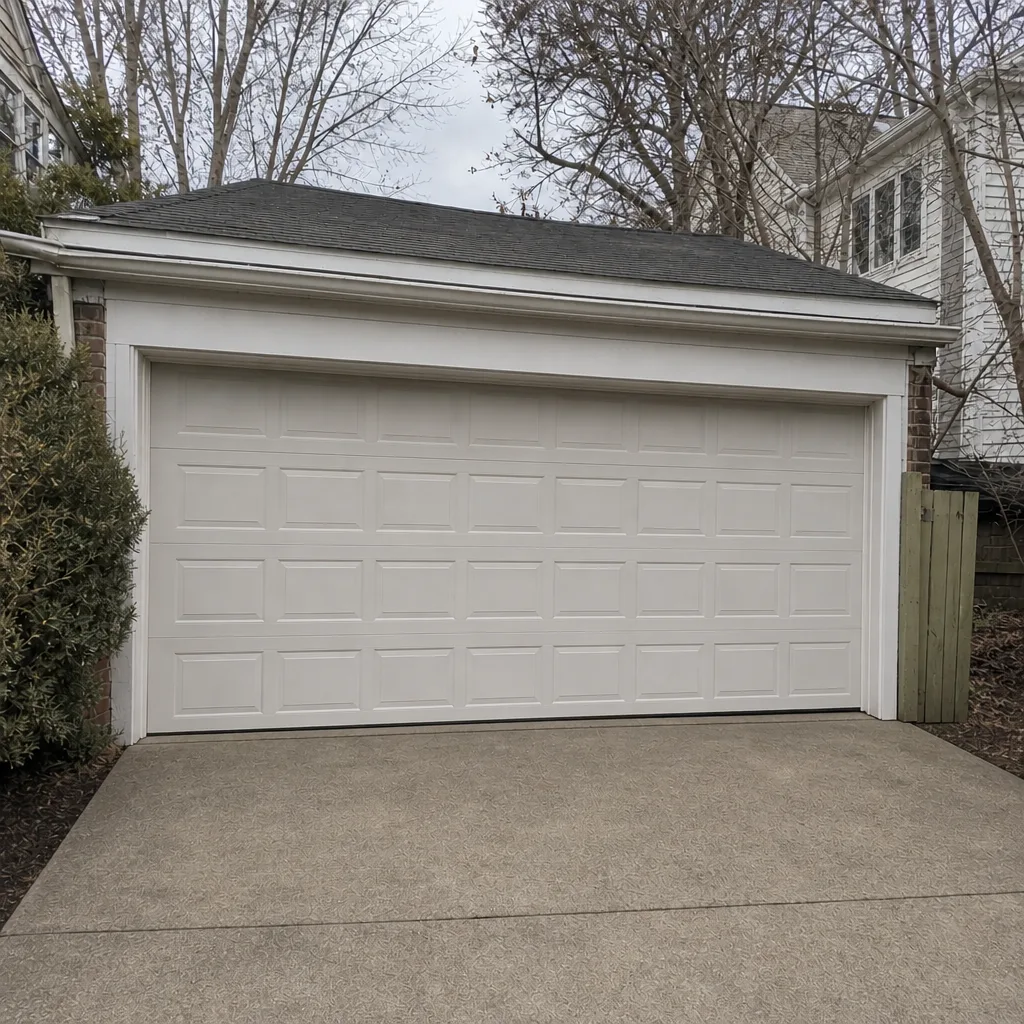 After
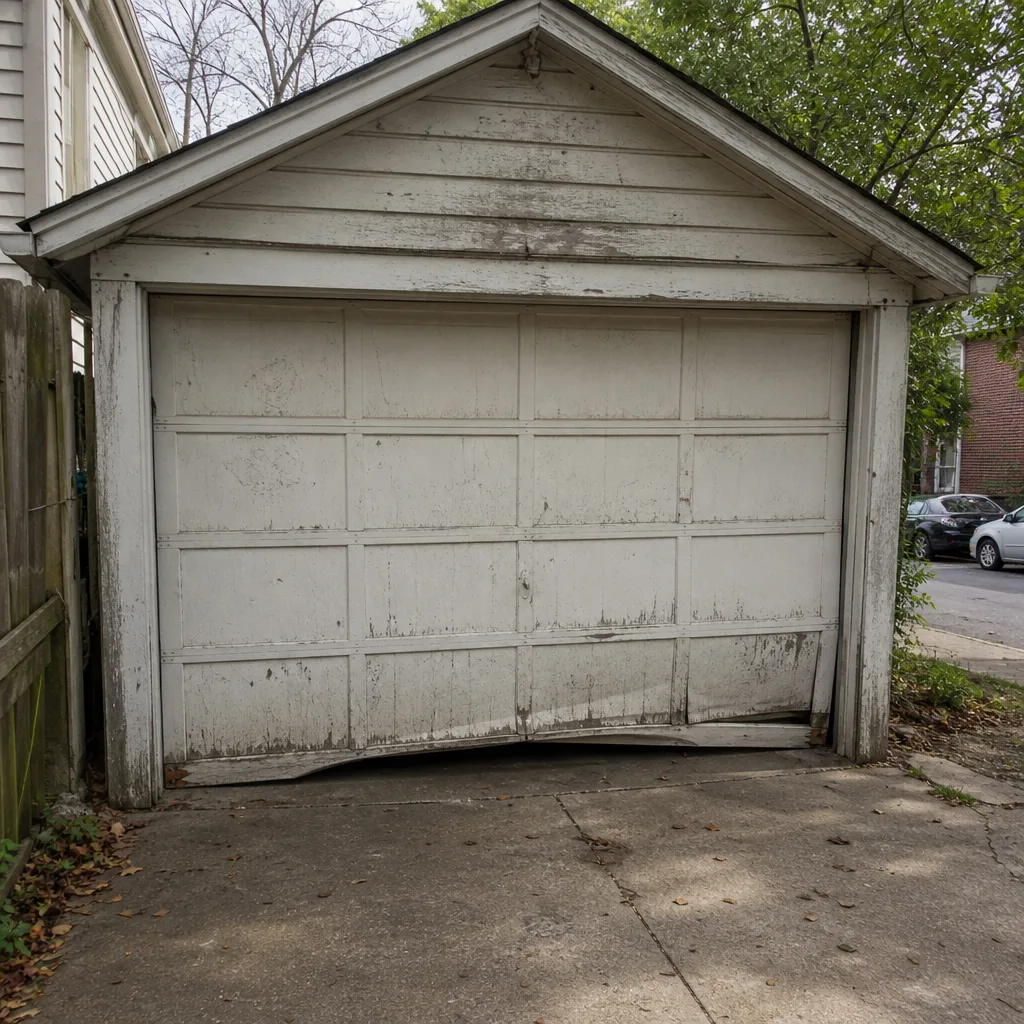 Before
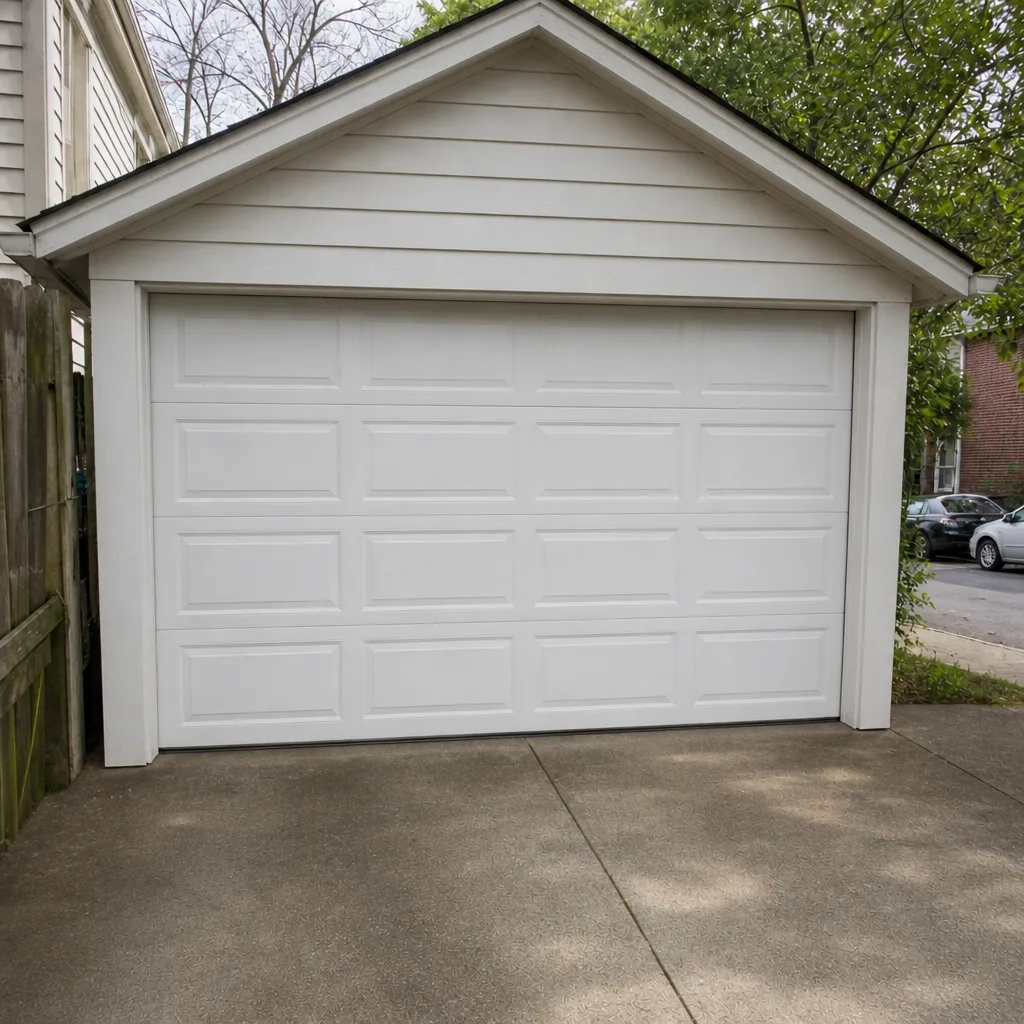 After
When to Call a Professional
Some door issues wait; others don’t. Call a professional when the door is heavy to lift, when it won’t open or close fully, when a spring has visibly failed or you’ve heard a bang from the garage, or when the opener reverses for no reason or won’t respond. Call for any spring or cable repair, for a door that’s jammed open or shut, for an opener that trips the breaker or shows a diagnostic fault, and for anything touching the door’s balance or structure. Older Cleveland Park garages with low headers are worth a professional assessment before any replacement, too, so the measurement happens before the order. Garage Door Repair Cleveland Park offers free estimates in Cleveland Park, call (833) 918-7067, and we’ll talk through what’s actually wrong before any work starts. The price is quoted and agreed before we begin, and the written estimate sets the final price.
Frequently Asked Questions
Spring repair prices depends on the door’s weight, the spring type, and how many springs the door uses. Older Cleveland Park garages with low headers often need extension springs or a low-clearance torsion setup, and a matched pair is usually replaced together because the springs wear at the same rate. Call (833) 918-7067 for an exact quote, estimates are free, and the price is quoted and agreed before any work starts.
Often, yes. A door that won’t close or is stuck is treated as an emergency, and we prioritize those calls. Call (833) 918-7067 and we’ll tell you what’s available. Don’t attempt to force a jammed door by hand, especially if a spring or cable looks involved.
No. The written estimate sets the price, and it’s quoted and agreed before any work starts. On older Cleveland Park garages the assessment can change the scope, for example discovering a low-header bay needs a different spring type, but that’s discussed and priced with you before we proceed. Call (833) 918-7067 for a free estimate.
Many do. Old garages here were built before the modern sectional door, so low headers, shallow backroom, and narrow side clearance are common. Those constraints usually call for low-clearance hardware or extension springs rather than a standard torsion assembly. The right way to know is to measure the opening, headroom, and backroom before ordering anything.
Appearance matters in Cleveland Park even when a permit isn’t formally required, because the historic streetscape review expects a door that fits the block. Material, panel style, and color should suit the home’s era, like wood-look or traditional steel on a Tudor or bungalow. For permit questions on structural work, ask DC’s building department.
Yes. The local professionals we connect you with are licensed and insured as their state requires, and our technicians have up to 11 years of experience. We service eight major brands, including LiftMaster, Chamberlain, Genie, Clopay, Amarr, Wayne Dalton, Craftsman, and Raynor, so the fix works with your system. Call (833) 918-7067 for a free estimate.
The Bottom Line
Cleveland Park’s homes and streetscape make garage door work here different from the generic advice you’ll find online. Measure headroom, backroom, and side clearance before choosing anything. Factor in the streetscape when picking a material and panel style, even if a permit isn’t required. Plan for the alley-access cycle count and safety tuning. Insulate for the humid summers and freeze-thaw winters. Sequence the upgrade, springs first, then hardware, then opener, then door. And leave the springs and cables to a trained technician. For a free estimate in Cleveland Park, call (833) 918-7067.
Written by the team at Garage Door Repair Cleveland Park.