Last updated November 21, 2026
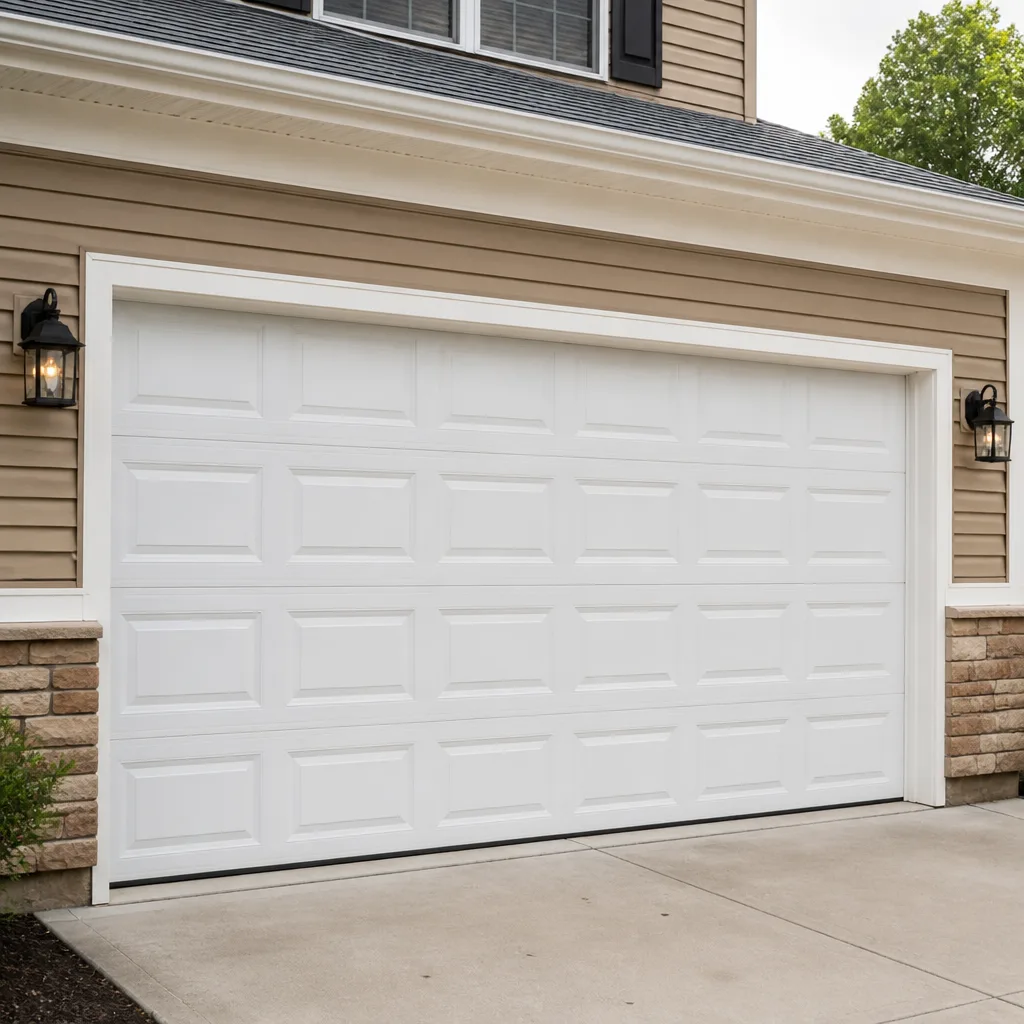 Raised-panel steel
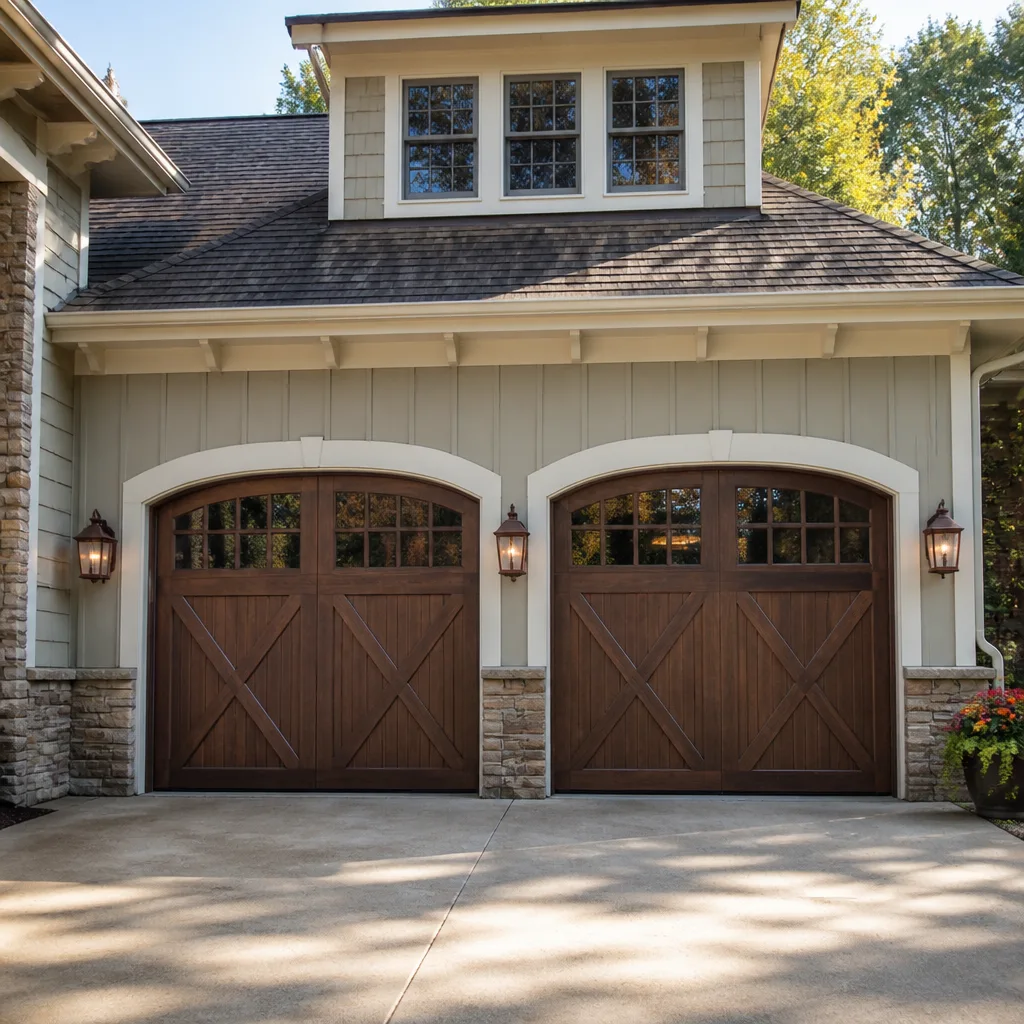 Carriage house
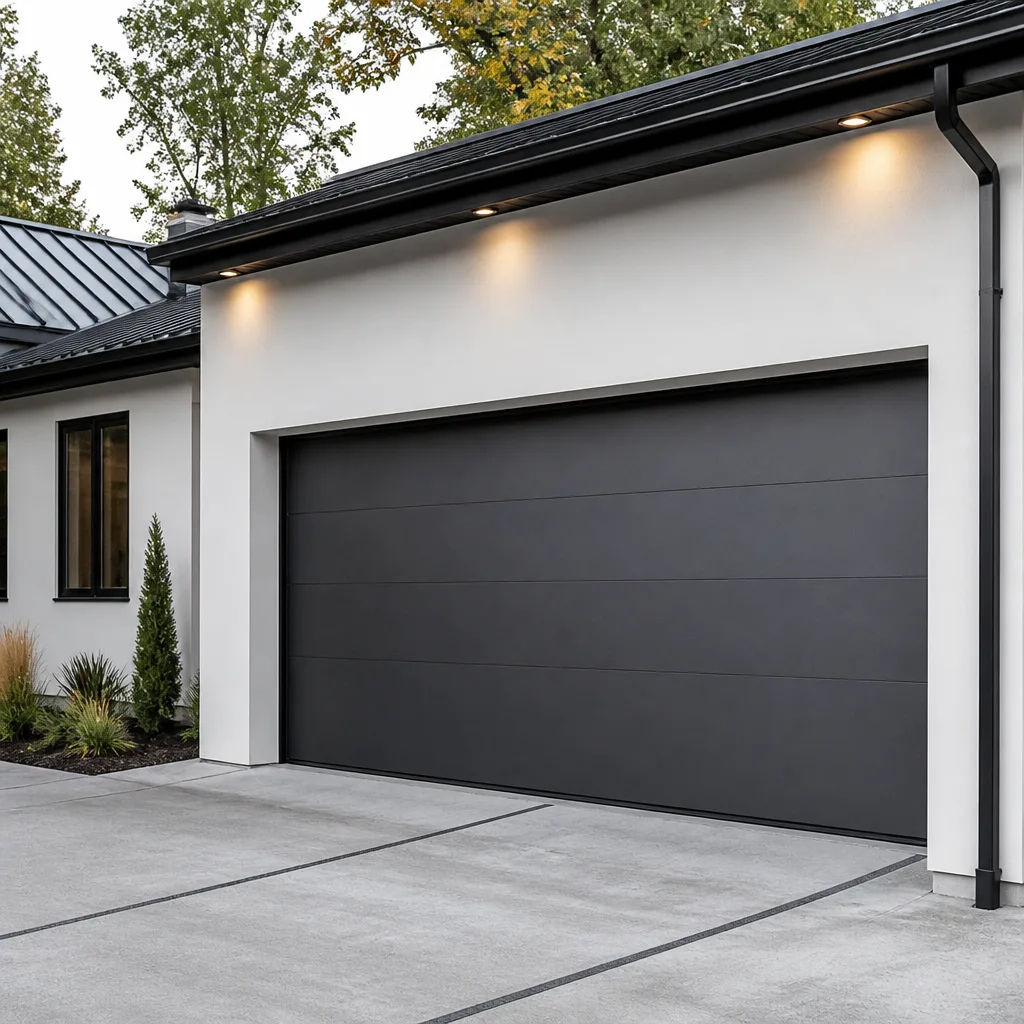 Modern flush
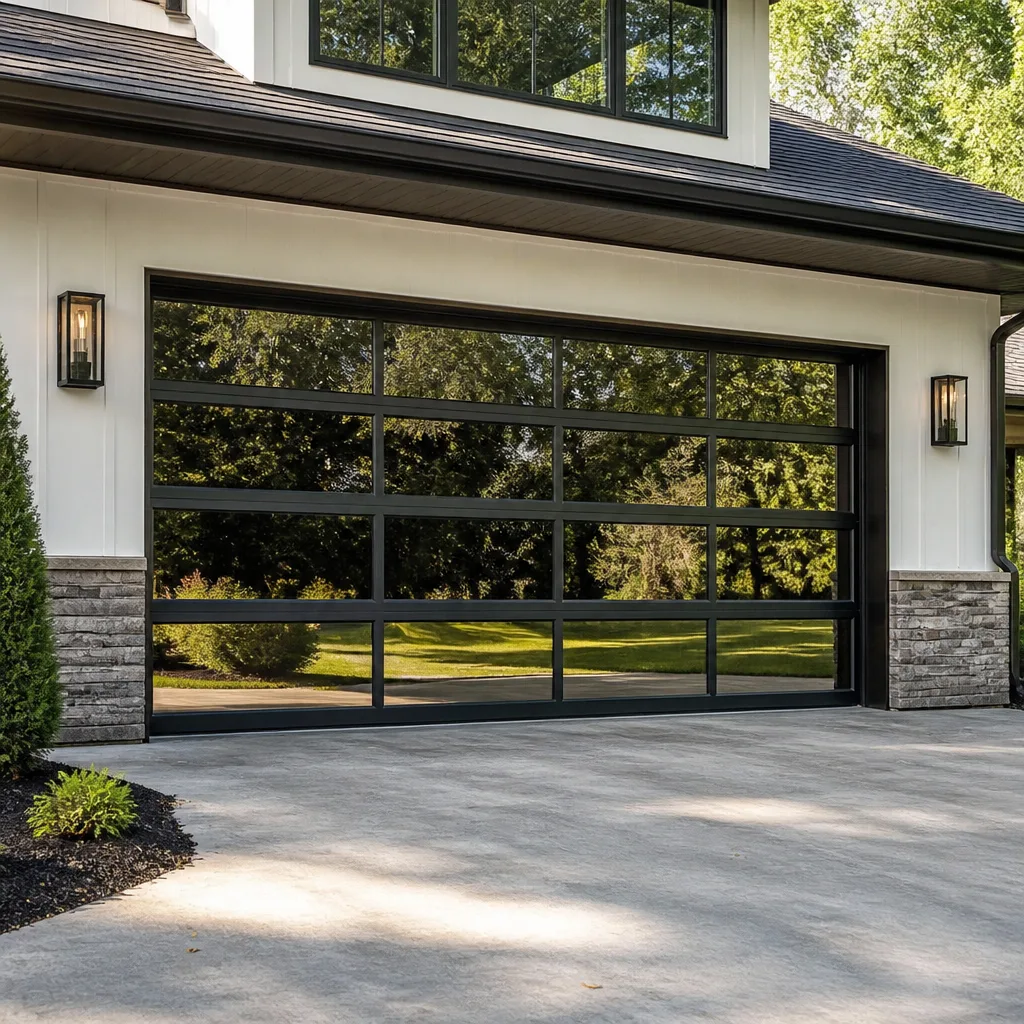 Full-view glass
 LiftMaster openers
 Chamberlain openers
Full 25-point door and opener safety check with every visit - springs, cables, rollers, tracks, and your LiftMaster or Chamberlain opener included
You get a price before we start. It does not change when the pro arrives.
Get your free estimateSeasonal Garage Door Care for Cleveland Park: Year-Round Homeowner’s Guide
Most garage door failures in Cleveland Park don’t announce themselves. They build quietly through the year, component by component, until a cold morning or a humid afternoon tips a worn part past its limit. The January breakdowns we get called about usually trace back to skipped fall lubrication, and the summer opener glitches trace back to heat most homeowners never considered. Cleveland Park’s mid-Atlantic climate doesn’t stress a garage door the way a deep-freeze climate does. It stresses it in waves, and each wave hits a different part of the system. This guide maps that pattern month by month so you can act before a problem finds you. You’ll learn what to check in each season, why springs fail when they do, and how to read the warning signs before they become a repair.
Quick Answer
Seasonal garage door care in Cleveland Park follows a predictable cycle: inspect and lubricate in early fall before the first freeze, watch springs and travel limits through the spring warm-up, monitor opener electronics and weatherstripping through humid summer, and tighten loose hardware before winter. The single highest-value habit is a fall lubrication and balance check, because it prevents the winter failures that show up when the temperature drops. Most year-round upkeep is inspection and cleaning, not repair.
Styles & brands we work with
- Raised-panel steel
- Carriage house
- Modern flush
- Full-view glass
- LiftMaster openers
- Chamberlain openers
Table of Contents
- Why Cleveland Park’s Climate Is Hard on Garage Doors
- The Seasonal Stress Calendar: What Fails When
- Fall Prep, Ranked by Failure-Prevention Value
- Spring: The Highest-Risk Season for Torsion Springs
- Summer Heat and Opener Electronics
- Reading Weatherstripping as a Seasonal Diagnostic
- Winter: Freeze-Thaw and Road Salt on Alley-Facing Hardware
- Building a Simple Maintenance Schedule
Why Cleveland Park’s Climate Is Hard on Garage Doors
Cleveland Park sits in a stretch of DC where summers run hot and humid and winters swing between mild and sharp. That swing is the problem. A garage door is a moving assembly of steel, springs, rubber and electronics, and each material responds to temperature and moisture differently. When the same week brings a humid afternoon and a freezing night, those materials expand and contract against each other. Do that enough times over a season and the small clearances that let a door run smoothly start to change.
The neighborhood’s housing stock adds to the stress. Many Cleveland Park homes have detached or semi-detached garages, and a detached garage is exposed on more sides than an attached one. That means faster heat gain in summer and faster heat loss in winter. Openers mounted on a south- or west-facing wall in one of these garages can sit in direct afternoon sun for hours, which matters for the logic board inside. Doors on alley-facing garages pick up road salt and grit through the winter, and that finds its way onto hinges, rollers and bottom brackets.
None of this is unusual for the region. What’s useful is recognizing that the stress arrives in a sequence. Humidity peaks in late summer, freeze-thaw begins in earnest around late fall, and heat expansion returns in late spring. Each phase loads a different part of the system, which is why a maintenance routine timed to the calendar beats a maintenance routine done whenever you remember.
Our technicians have up to 11 years of experience working on the door and opener brands most Cleveland Park homes already have, including LiftMaster, Chamberlain and Clopay. That familiarity helps when we’re diagnosing whether a problem is mechanical or electrical, because we know how each manufacturer builds its components. If you need hands-on help at any point in this guide, our Garage Door Repair Cleveland Park team is one call away.
The Seasonal Stress Calendar: What Fails When
Here’s the pattern we see across Cleveland Park garages, organized by season. Treat this as a map, not a guarantee. Every door has its own history, and older hardware ages faster than newer hardware. But the sequence is consistent enough to plan around.
- Late summer (humidity peak): Weatherstripping softens and compresses. Wood door panels absorb moisture and can start to swell or warp at the bottom. Bottom seals begin to lose their spring.
- Early fall (pre-freeze window): The best time to lubricate rollers, hinges and springs. Tighten loose hardware. Check balance and travel limits before cold weather changes the door’s behavior.
- Late fall and early winter (first hard freezes): Underlubricated springs and rollers bind. Grease that sat all summer without attention turns tacky in the cold. Doors that ran fine in October start to hesitate.
- Deep winter (freeze-thaw cycles): Metal contracts and clears the tolerances. Hardware loosens. Road salt and grit migrate onto alley-facing tracks and hinges. Weatherstripping stiffens and cracks at the bottom edge.
- Early spring (warm-up): Thermal expansion throws off travel limits. Torsion springs, which carry the most load, are at their highest risk as the seasonal cycle count accumulates. This is the season for balance and spring checks.
- Late spring and summer: Heat reaches opener logic boards, especially in direct-sun garages. Safety sensor lenses can fog or collect debris. Doors expand and can scrape where they didn’t before.
The practical takeaway: the two anchor points in your year are early fall (preventive) and early spring (diagnostic). If you do nothing else, hit those two windows. The stretches in between are mostly watching and cleaning.
Fall Prep, Ranked by Failure-Prevention Value
Most “winterize your home” lists treat the garage door as an afterthought. It shouldn’t be. A garage door is the largest moving piece of equipment on most houses, and it cycles several times a day. Here are the fall tasks that matter most, ordered by how much failure they actually prevent.
- Lubricate the moving parts. Rollers, hinges, the torsion spring coils and the vertical track where rollers travel all need a garage-door-specific lubricant. This is the single highest-value fall task. Underlubricated metal binds in cold weather, and binding puts extra load on the opener and springs.
- Check door balance. Disconnect the opener and lift the door halfway by hand. A balanced door should stay put. If it drops or rises on its own, the spring tension is off and needs professional attention.
- Test the safety reverse. Place a small object in the door’s path and confirm the door reverses on contact. This is a safety check you should do every season, not just in fall.
- Inspect the weatherstripping. Look for gaps, stiff sections and missing pieces along the bottom and sides. Good seals keep out cold air, moisture and pests through the winter.
- Tighten loose hardware. Brackets, hinges and track bolts loosen with seasonal movement. A quick tightening pass prevents rattles and reduces wear.
- Clear the tracks and alley approach. Debris in the tracks causes rollers to jump. Leaves and grit that collect on the outside of an alley-facing door find their way in.
If a task on that list turns up something you can’t fix safely, that’s the point to stop and call. Spring work in particular is not a homeowner job, and we’ll explain why in the next section.
Spring: The Highest-Risk Season for Torsion Springs
Torsion springs are the highest-risk period for garage door failure in Cleveland Park, and it’s worth understanding why. A torsion spring stores enormous mechanical energy to counterbalance the door’s weight. It cycles with every open and close, and a door used several times a day racks up thousands of cycles over a few years. Those cycles wear the steel, and the wear compounds through the seasonal expansion and contraction the spring experiences as the temperature swings between winter and spring.
When the warm-up arrives, a spring that has been quietly shedding strength reaches its limit. That’s why a lot of spring failures land in spring. It isn’t the season itself that breaks the spring. It’s the accumulated count and the load the warm-up puts on an already-weakened part.
Here’s what to watch for as the season turns:
- A loud bang from the garage, often followed by a door that won’t open or won’t stay up
- A visible gap in the spring coil (a broken torsion spring usually shows a clear separation)
- A door that feels unusually heavy when lifted by hand
- A door that slams down instead of lowering smoothly
- A cable that looks loose or has come off its drum
One more caution. Torsion springs and the cables that connect to them are under high tension even when the door is closed. Attempting to adjust, release or replace them without the right tools and training can cause serious injury. We handle spring work with the correct winding bars and the proper precautions, and we recommend every Cleveland Park homeowner treat spring repair as a professional job. Matched springs are usually replaced as a pair, and we’ll explain the difference when we quote. You can read more about the process on our garage door repair page.
Before the warm-up, have someone check spring tension and door balance. A quick inspection catches a weakening spring before it lets go.
Summer Heat and Opener Electronics
Openers fail in summer in ways they don’t in winter, and Cleveland Park’s detached garages make it worse. When an opener sits in a garage with a south- or west-facing wall, its logic board can soak in direct afternoon heat for hours. Electronics don’t like sustained heat, and a board that’s already under load can start to misbehave.
The summer symptoms we hear about most:
- A door that reverses for no reason or stops partway
- A remote or wall button that only works intermittently
- An opener that clicks but doesn’t move the door
- Safety sensors that trip when the sun hits them directly, especially in the late afternoon
- Lights on the opener that flicker or stay on when they shouldn’t
Some of these are simple: dusty sensor lenses, loose wiring, a remote with a weak battery. Others point to a logic board or motor problem that needs diagnosis. This is where working on both the door and the opener under one service relationship helps. If we come out for a door problem and find the opener is the real source, we don’t send you to a second contractor. Our garage door opener repair covers the electronics side, and we work with the manufacturer’s components for brands like LiftMaster, Chamberlain and Craftsman rather than generic substitutes.
To reduce summer heat stress, keep the garage ventilated where you can and check that the opener housing isn’t sitting in direct sun for the whole afternoon. Small changes help electronics last longer.
Reading Weatherstripping as a Seasonal Diagnostic
Weatherstripping is the most overlooked part of a garage door, and it tells you more about your door’s health than almost anything else. Rather than waiting for visible cracks, learn to read how it compresses against the floor and frame. Compression is a live signal of how well the door is sealing, and it changes with the seasons.
Here’s how to use it diagnostically:
- A firm, even seal means the door is sitting correctly. The bottom seal should press against the floor along its full width without gaps.
- A light or uneven seal means the door is out of adjustment or the seal is worn. This shows up first in humidity season and again in the first cold snap.
- Stiff, flattened or crumbly rubber means the seal is near end of life. This is common after a humid summer followed by a cold winter.
- Visible daylight under the door means cold air, moisture and pests are getting in. It’s also a security gap.
- Rubbing or scraping sounds suggest the door is dragging on the frame, which can mean a track or alignment issue rather than a seal issue.
In Cleveland Park, the humidity peak in late summer softens the rubber, and the cold of winter stiffens it. That back-and-forth ages weatherstripping faster than a steady climate would. Replacing a worn bottom seal is inexpensive compared with what water intrusion and heat loss cost over a season. If you check compression once a season, you’ll catch the problem before it shows as cracking.
Winter: Freeze-Thaw and Road Salt on Alley-Facing Hardware
Winter in Cleveland Park brings the sharpest swings of the year, and the freeze-thaw cycle is what drives the damage. Metal contracts in cold and clears its tolerances. Hardware that sat tight in October loosens. A track that ran smoothly all fall develops a wobble. Doors that start and stop cleanly begin to bind.
The road salt question comes up often for alley-facing garages. Salt and grit thrown up from the alley collect on the lower panels, hinges, rollers and bottom brackets. Left there through the season, they accelerate wear on the metal parts. Cleaning the lower hardware and rinsing the alley-facing panels when the weather allows helps keep that in check. It’s a simple winter habit that pays off over several seasons.
Some things to watch in winter:
- A door that hesitates or stops on its way up, especially on the first cold morning
- Rattling or banging that wasn’t there in fall
- A door that seems to drop faster than usual on the way down
- Frozen or stiff weatherstripping at the bottom edge
- A track with visible frost or ice at the bottom of an alley-facing door
If a door sticks open or jams shut in winter, don’t force it. Call for help. A door stuck open is a security problem as much as a mechanical one, and forcing it can turn a small repair into a bigger one. We respond to emergency door failures, which is worth knowing when the weather turns. But the better fix is the fall prep that keeps the door running through the cold in the first place.
Building a Simple Maintenance Schedule
A year of care for a Cleveland Park garage door doesn’t take much time. What it takes is timing. Here’s a simple annual rhythm that covers the seasonal pattern without turning into a weekend project.
| Season | Focus | Key tasks |
|---|---|---|
| Early fall | Preventive | Lubricate rollers, hinges, springs and tracks; check balance and safety reverse; inspect weatherstripping; tighten hardware |
| Late fall | Pre-freeze check | Clear tracks and alley approach; confirm door holds comfortably at half-height; test the opener under cold conditions |
| Winter | Watch-and-clean | Clean road salt and grit off lower hardware; watch for binding or hesitation; don’t force a stuck door |
| Early spring | Diagnostic | Inspect spring tension and door balance; check travel limits; look for cable wear |
| Summer | Electronics and seals | Check opener behavior in heat; clean sensor lenses; watch weatherstripping compression |
Two items on that calendar are worth a professional visit each year: the fall lubrication and balance check, and the early-spring spring inspection. The rest is something you can do yourself with a few minutes and a good look. If you’re planning a new door, the right time to start is well before the season you want it installed, since door measurements and ordering take time. Our garage door installation page covers what that process looks like.
Common Mistakes to Avoid
- Lubricating with the wrong product. Household oil and WD-40 aren’t the right choice for garage door parts. Use a door-specific lubricant that won’t attract grit or turn tacky in cold weather, which matters in Cleveland Park’s winter swings.
- Waiting for visible cracks in the weatherstripping. By the time you see cracks, the seal has been failing for weeks. Read compression and daylight as your early signal instead.
- Trying to adjust or replace torsion springs yourself. This is the most dangerous repair on a garage door. Springs and cables are under high tension, and the wrong move can cause serious injury. Leave it to a trained professional.
- Ignoring the opener during door problems. A door that won’t open can be an opener or a door problem. Testing one part at a time, and knowing which system is actually failing, saves guesswork and keeps you from buying the wrong fix.
- Skipping fall lubrication because the door still runs. The door running fine in October doesn’t mean it’s ready for the first freeze. Lubrication is preventive, and the failures it prevents show up later.
- Leaving road salt and grit on alley-facing hardware. A quick wipe-down of the lower hinges and rollers after a long winter stretch keeps the metal from wearing out early.
- Forcing a stuck door. Forcing a jammed or stuck door can bend tracks, strip the opener and damage panels. Stop and call when a door won’t move freely.
See the difference
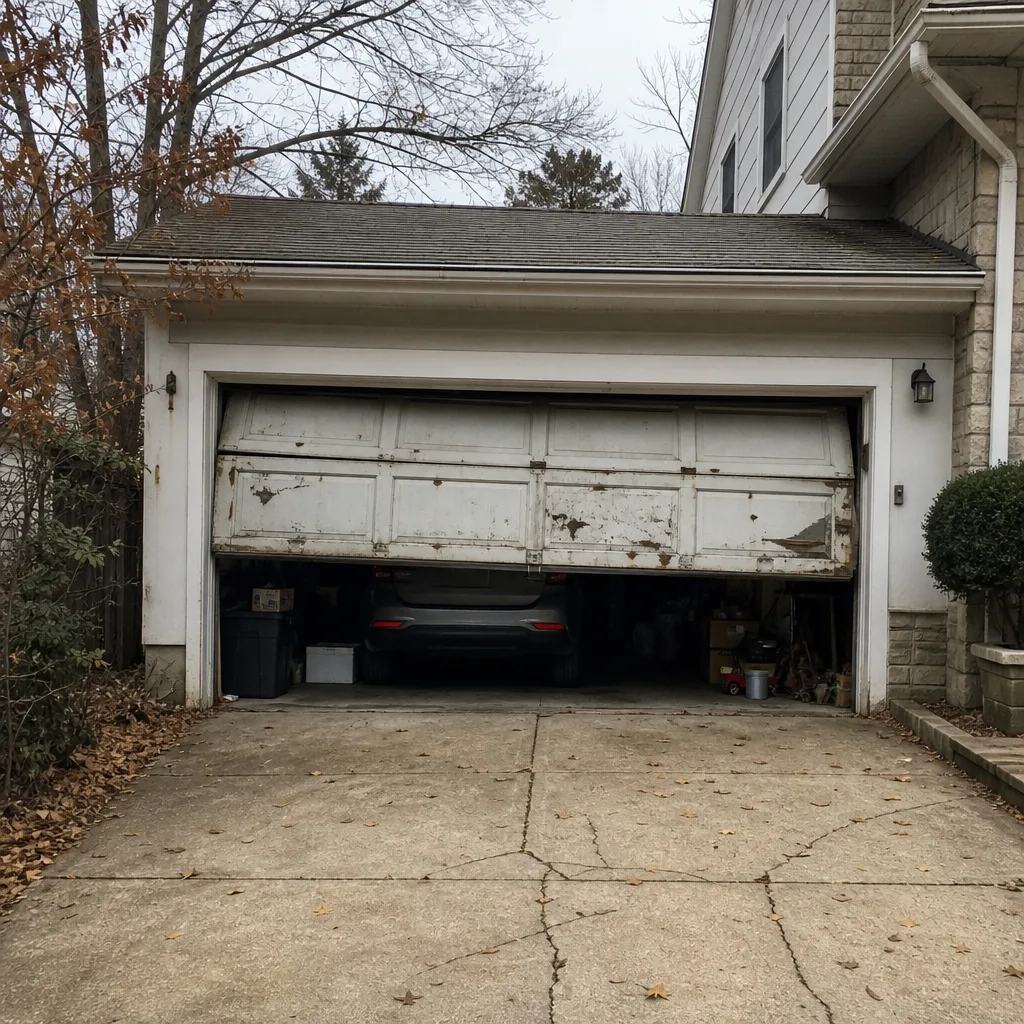 Before
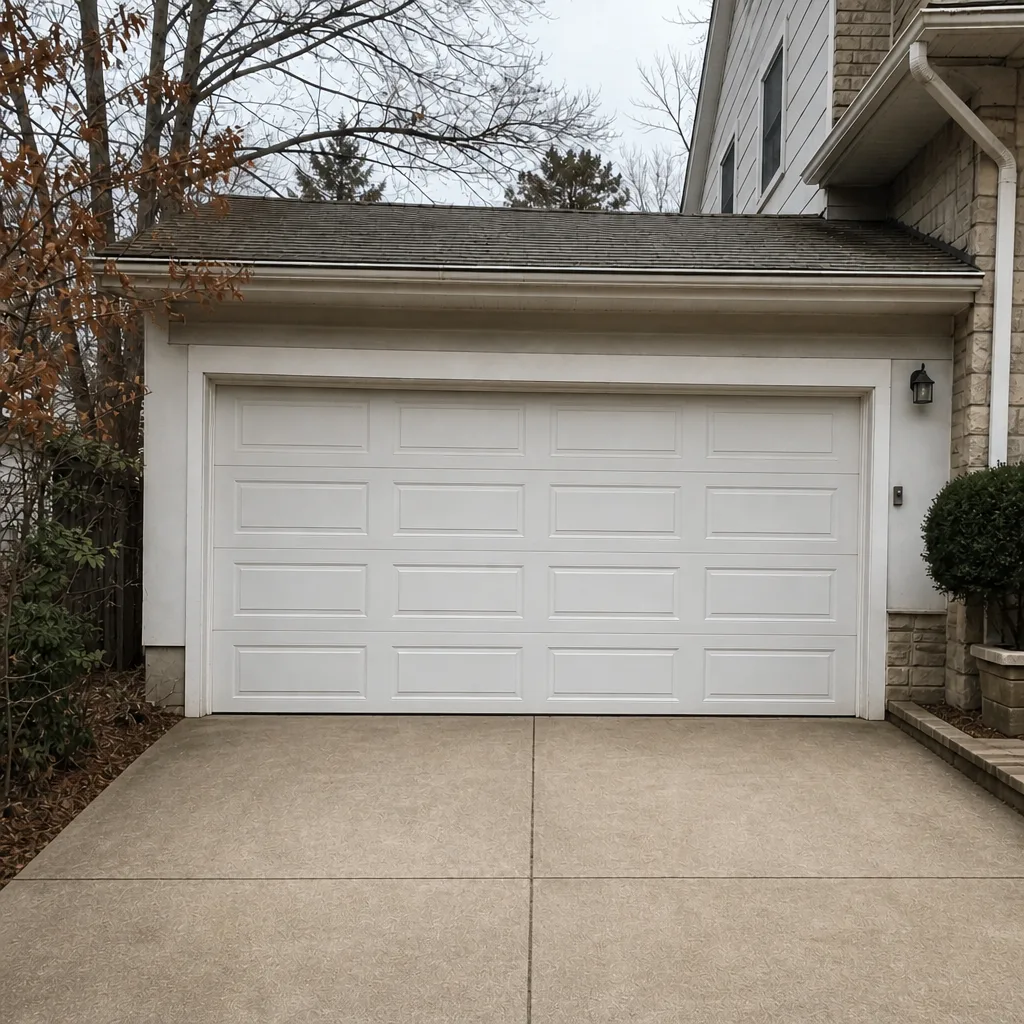 After
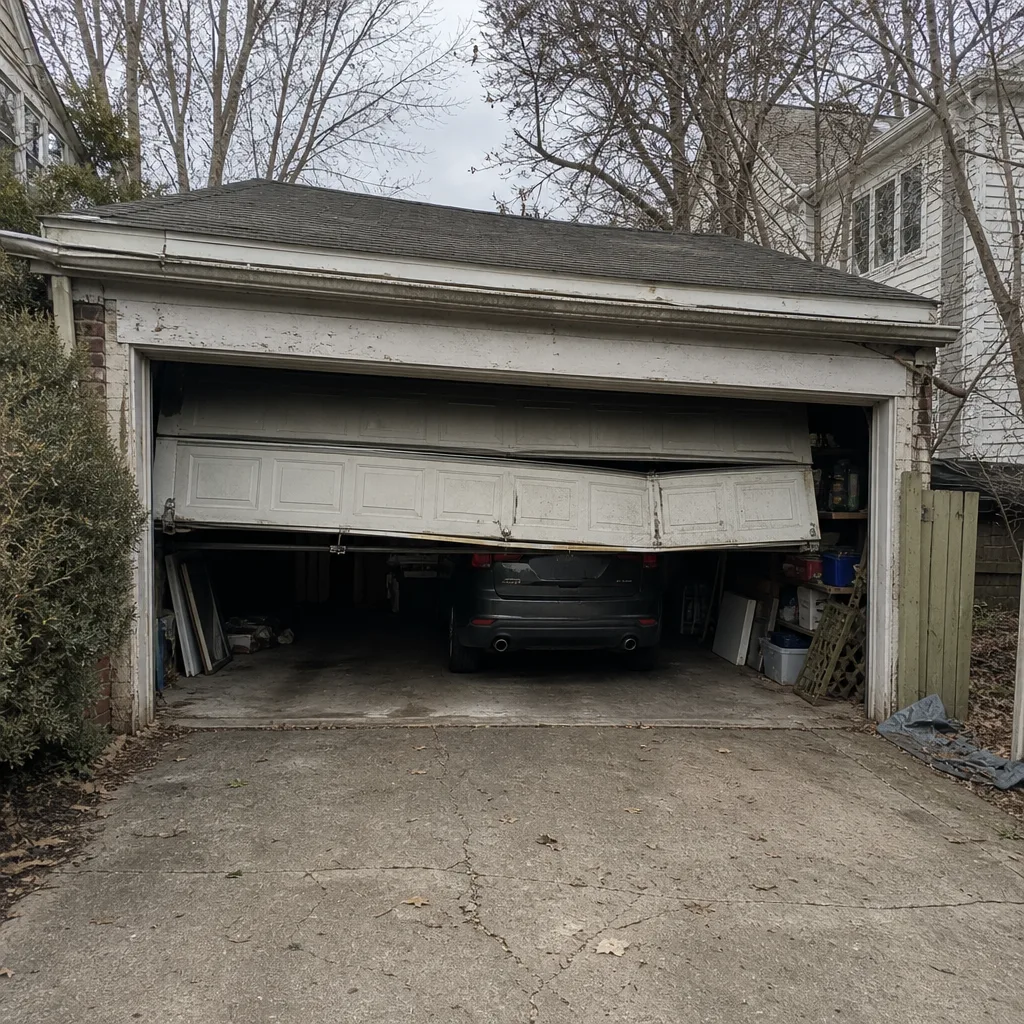 Before
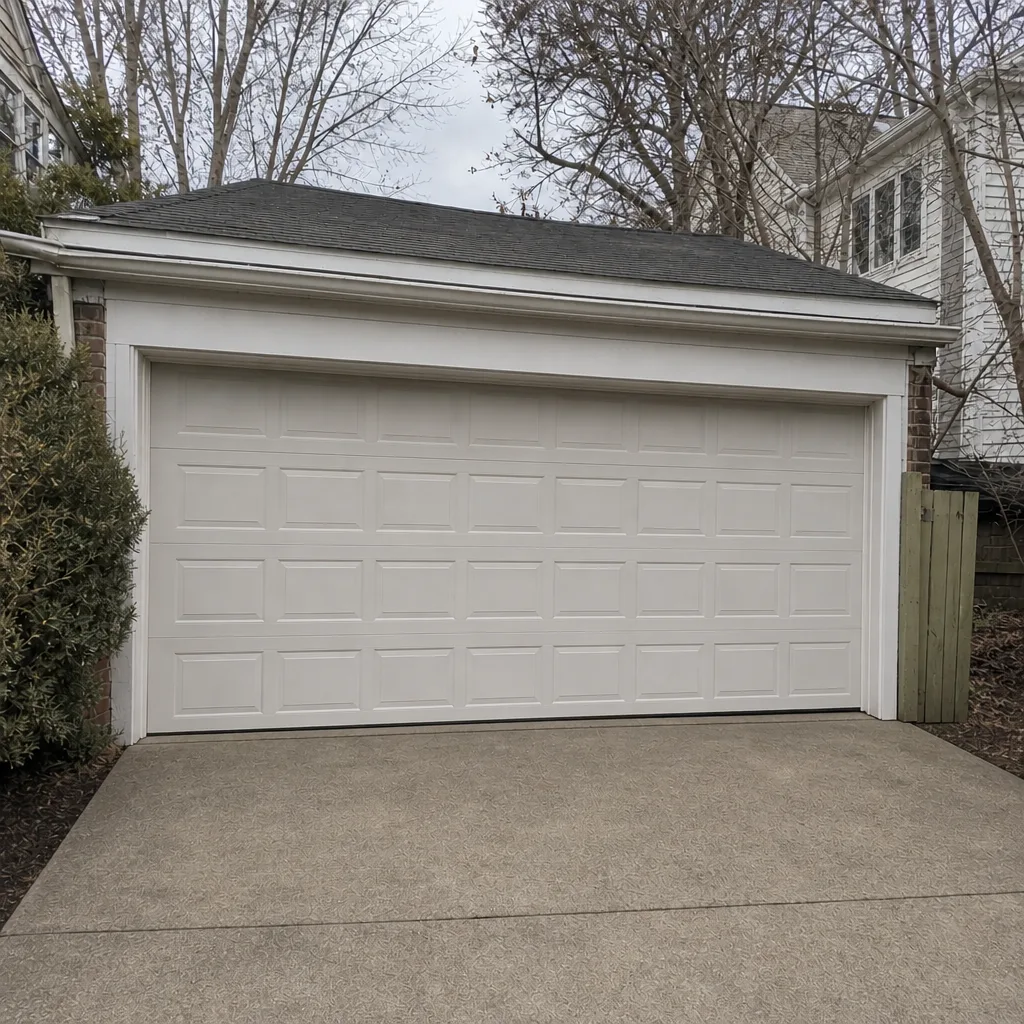 After
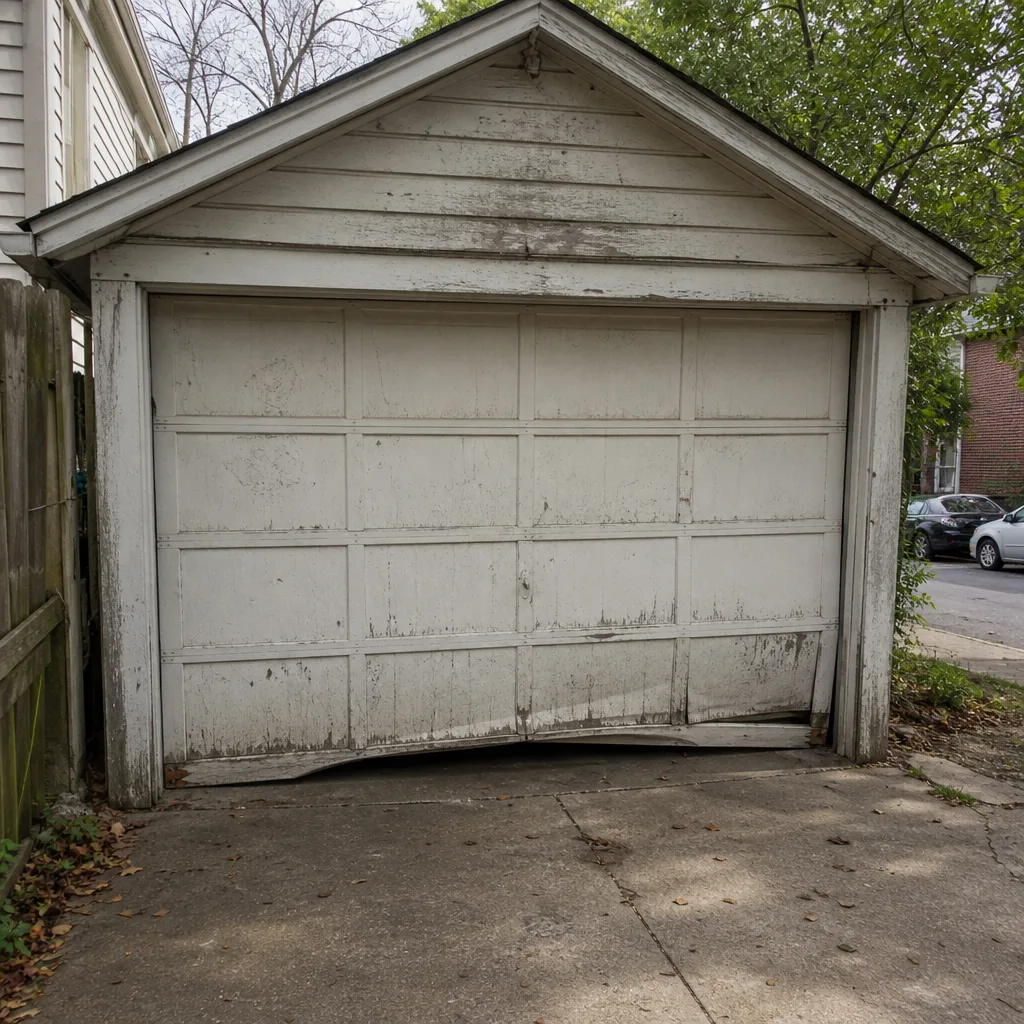 Before
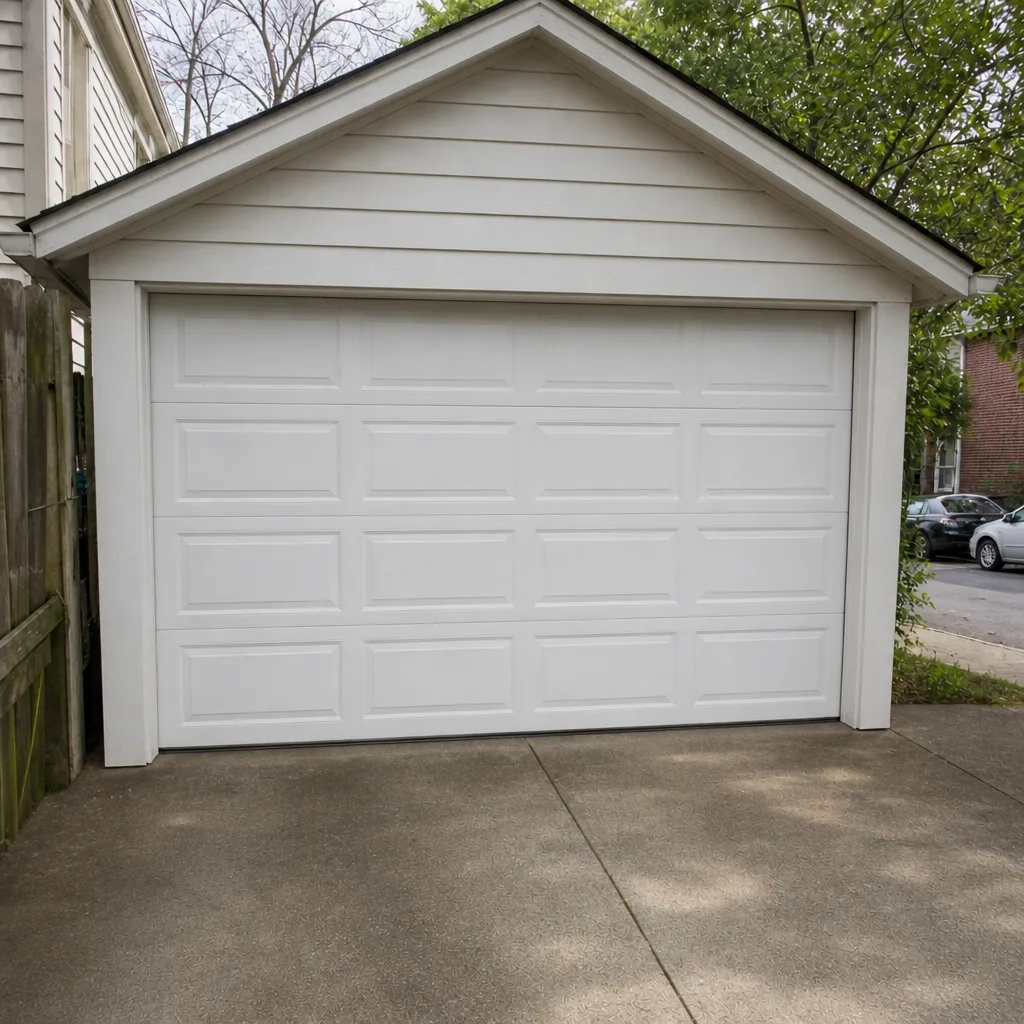 After
When to Call a Professional
Some garage door problems are safe and sensible to handle yourself: cleaning tracks, testing the safety reverse, wiping salt off hinges, or replacing a worn bottom seal. Others need a trained technician. Call us if a spring breaks, if the door won’t stay up or drops fast, if a cable looks loose or off its drum, if the opener clicks but won’t move the door, or if a door is stuck open or shut. Signs of structural trouble in the door panels and tracks are worth a look too. We work on the whole system, door and opener together, so you don’t get sent between contractors. Garage Door Repair Cleveland Park offers free estimates in Cleveland Park. Call (833) 918-7067 when something on the list above needs eyes. The written estimate sets the final price, and it’s quoted and agreed before any work starts.
Frequently Asked Questions
Once a year is the minimum, and twice a year fits this climate better. A fall lubrication and balance check before the first freeze, plus an early-spring spring inspection after the warm-up, covers the two points where failure risk is highest in Cleveland Park’s mid-Atlantic weather. In between, check the door monthly with a quick visual and safety reverse test.
They break because the cycle count has accumulated and the warm-up puts added load on an already-worn spring. A torsion spring weakens gradually through thousands of open-and-close cycles, then fails when the seasonal expansion and contraction tip it over the edge. A broken spring makes a loud bang and leaves the door heavy or stuck, and it should be fixed by a professional.
Heat stresses the opener’s logic board and can cause reversing, stopping partway, or intermittent remote response. In Cleveland Park, detached garages with south- or west-facing walls get the most direct afternoon sun, which makes those openers more prone to summer glitches. Some of these are simple fixes like sensor cleaning; others need diagnosis of the board or motor.
Weatherstripping compression is a seasonal diagnostic. A firm, even seal against the floor means the door sits correctly. A light or uneven seal, or visible daylight underneath, means the seal is worn or the door is out of adjustment. Watching compression catches the problem before the rubber cracks.
No. Torsion springs and the cables attached to them are under high tension, and adjusting or replacing them without the right tools and training risks serious injury. This is the one part of garage door maintenance we always recommend leaving to a trained technician. We carry the proper winding bars and follow the safety precautions the job requires.
It can. Salt and grit thrown up from an alley collect on lower panels, hinges, rollers and bottom brackets, and left through the season they accelerate wear on the metal. Wiping off the lower hardware and rinsing the alley-facing panels when the weather allows keeps it from building up.
The Bottom Line
Cleveland Park’s garage door problems follow a seasonal pattern, and once you know the pattern, maintenance stops being guesswork. The humidity peak stresses seals. The first freezes find underlubricated parts. Winter freeze-thaw loosens hardware and brings road salt onto alley-facing doors. Spring warm-up loads weakened springs. Summer heat stresses opener electronics in detached garages. Two visits a year, one in fall and one in early spring, cover the highest-risk points. Everything else is a few minutes of watching. If a spring breaks or a door sticks, don’t force it. Call a professional and get it fixed right. Our technicians have up to 11 years of experience on the brands most Cleveland Park homes already use, and we handle the door and the opener together. For a free estimate, call (833) 918-7067.
Written by the team at Garage Door Repair Cleveland Park.